
Advertisement


Trending in History



Advertisement
From the Age of Enlightenment to the Christmas Truce, learn about some of history's most pivotal events.
From Musketeers to Nazis, Archimedes to Harriet Tubman, these famous historical figures changed the course of history -- for better or worse.
You don’t need fiction when history provides you with tales as crazy as the ones we’ve collected for you. Read up while your jaw drops.
No matter how knowledgeable you are about European history, there's always more to learn! Get an in-depth look at European history in these articles.
From the southern tip of Florida to the Alaskan wilderness, explore North American history in-depth in the North American history section.
HowStuffWorks looks at the history and culture of places from all over the world.
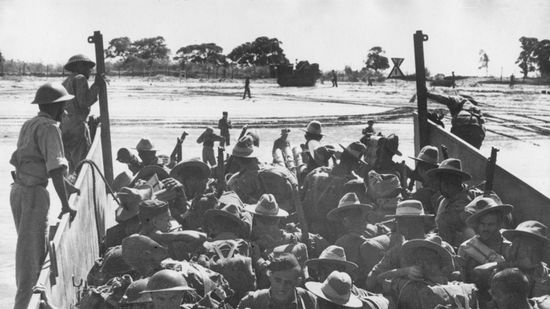
World wars and conflicts have shaped the course of history as countries stuggle to maintain a balance of power. In this section topics such as the Korean War, Vietnam and both World Wars are explored.
How the Ritchie Boys, Secret Refugee Infiltrators, Took on the Nazis
FIND OUT MOREThe French Resistance Took Many Forms During WWII
FIND OUT MOREInside Unit 731, Japan's Gruesome WWII Human Experiment Program
FIND OUT MOREIncredible History: When WWII POWs Held an Olympics in a Nazi Camp
FIND OUT MORE