
Historical Figures
From Musketeers to Nazis, Archimedes to Harriet Tubman, these famous historical figures changed the course of history -- for better or worse.
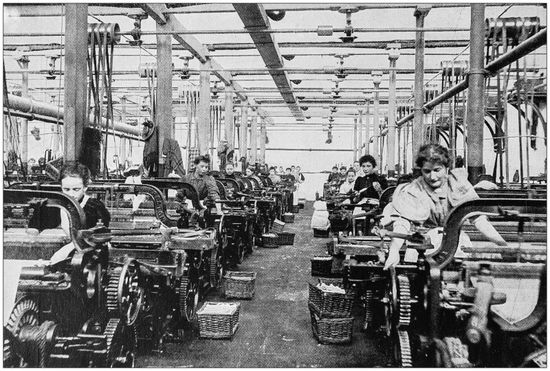
Exploring the Impact of the Industrial Revolution Factory System
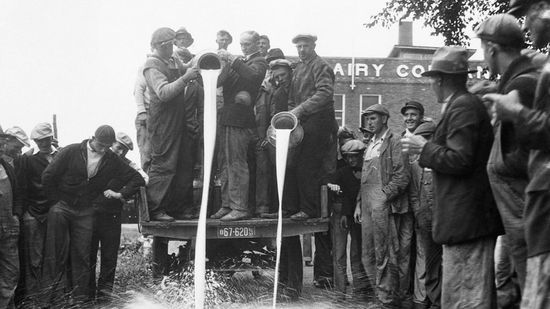
How Al Capone's Mobsters Outmuscled Chicago Milkmen

5 Worst Nuclear Disasters in the World

Who Is the Controversial Green Man on the Royal Coronation Invitation?

666 Meaning: Angel Number or the Devil's Digits?

Operation Midnight Climax: A CIA Sex, Drugs and Surveillance Program
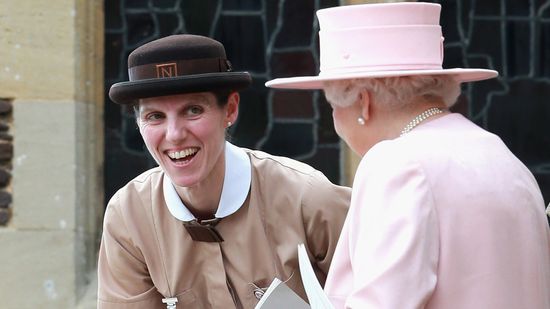
Norland College: Where the Royals Find Their Nannies

How the CPR Doll Developed From a Famous Parisian Death Mask

Point d'Alençon Lace Will Always Be the Queen of Lace

What Is the Oldest City in America? A Look at the Top 11

Why Was Cereal Invented? A Brief History of Corn Flakes

What's the Meaning of the 'Don't Tread on Me' Flag?

The Largest Continent Is Also the Most Populated

10 Oldest Countries in the World

Unlocking the Power of Greek Fire: The Byzantine Empire's Secret Weapon
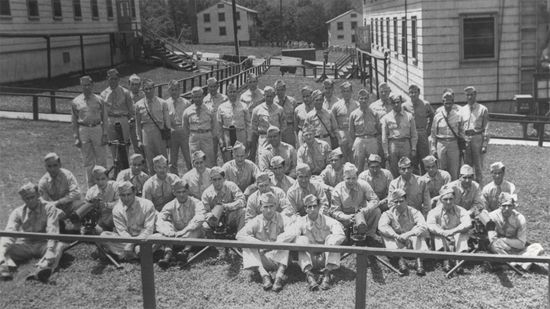
How the Ritchie Boys, Secret Refugee Infiltrators, Took on the Nazis
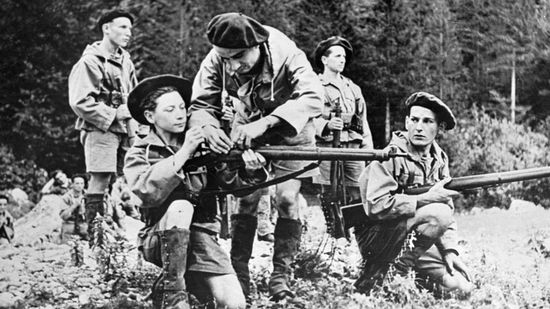
The French Resistance Took Many Forms During WWII
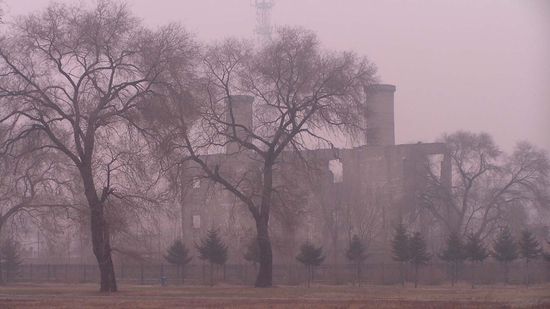
Inside Unit 731, Japan's Gruesome WWII Human Experiment Program
Learn More
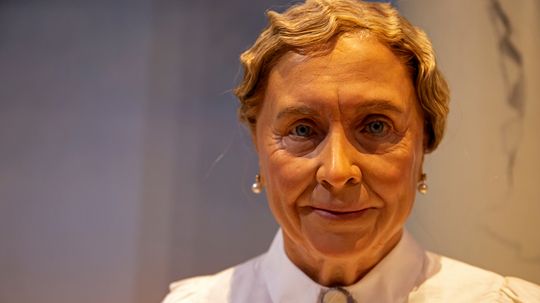
Helen Keller accomplished a lot in her lifetime. Despite becoming deaf-blind at 18 months of age, she authored multiple books, engaged in outspoken activism and gave lectures around the world. But did Helen Keller fly a plane?
By Sascha Bos
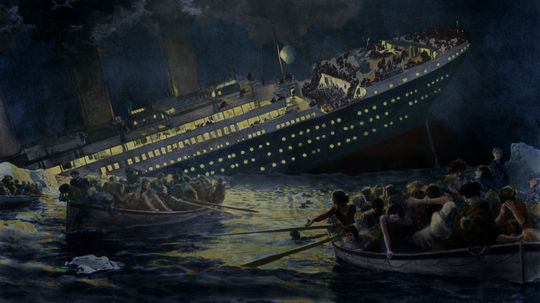
The sinking of the RMS Titanic is one of the most famous tragedies in maritime history, with some stories of the Titanic survivors having reached legendary status.
By Marie Look

On Christmas Eve in 1971, a young woman's life changed forever when she found herself plummeting through the sky in the midst of a thunderstorm. That woman was Juliane Koepcke, the sole survivor of a tragic plane crash in the Peruvian rainforest.
By Marie Look
Advertisement

Wisconsin is known for its cheese, beer and ... terrifying serial killers? It turns out some of the most notorious serial killers in the United States hail from America's Dairyland.
By Sascha Bos

The life story of George Jung reads like a high-stakes thriller, tracing the meteoric rise and dramatic fall of one of the most infamous drug smugglers in the history of the United States. Born into a modest family, Jung's early exposure to the world of narcotics set the stage for what would become a legendary career in the drug trade.

Before she was the tallest woman in the world, she was the world's tallest teenager. In 2021, Guinness World Records named Rumeysa Gelgi, who is 7 ft and 0.7 in (215.16 cm) in height, the tallest woman living.
By Yara Simón
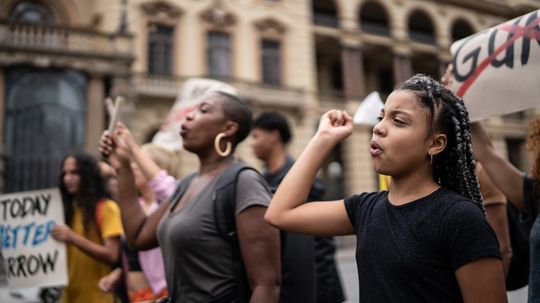
Coretta Scott King and numerous other women who stood with Martin Luther King Jr. were committed activists in their own right during the Civil Rights Movement.
Advertisement
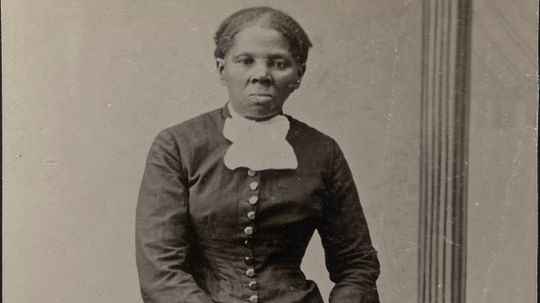
History has taught us that Harriet Tubman was a conductor for slaves on the Underground Railroad to freedom. But she had a second career as a Union spy and was also a champion for the elderly.
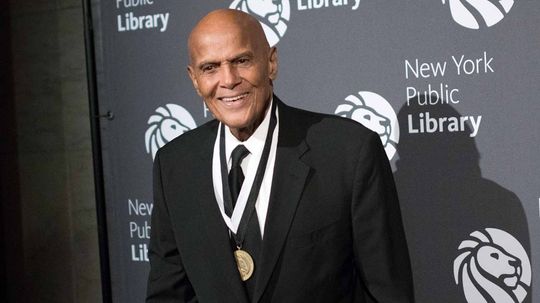
Harry Belafonte died today at age 96. A shining star in his own right, Belafonte was a key supporter of Martin Luther King Jr., the civil rights movement and other humanitarian missions.
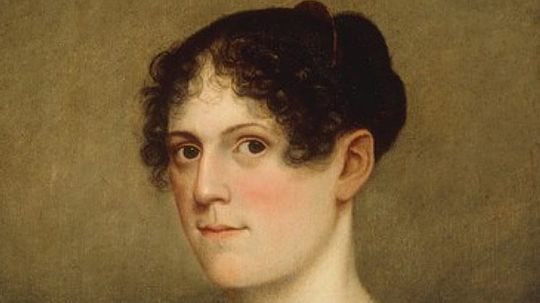
In 1812, she boarded a ship bound for New York, but never arrived. What happened to the daughter of Aaron Burr, the man who killed Alexander Hamilton?
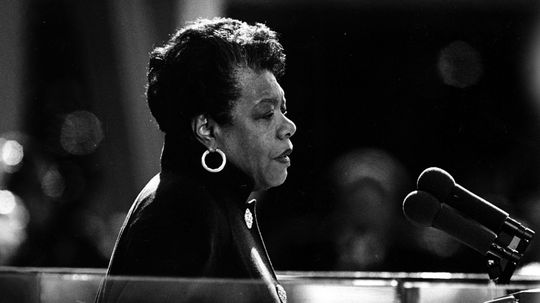
One of the most quoted (and misquoted) African American women, Maya Angelou's words and works resound with people of all ages and stages in life. Here are five quotes that explain why.
Advertisement
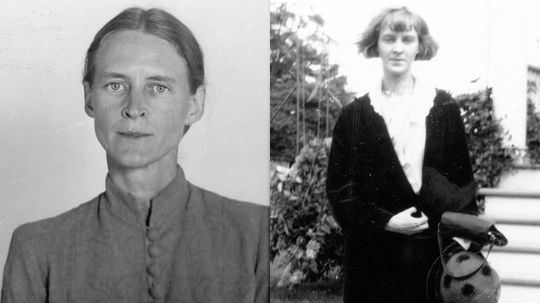
Mildred Harnack was the only American in the leadership of German underground resistance to Hitler. And Hitler personally ordered her executed for it.
By Dave Roos
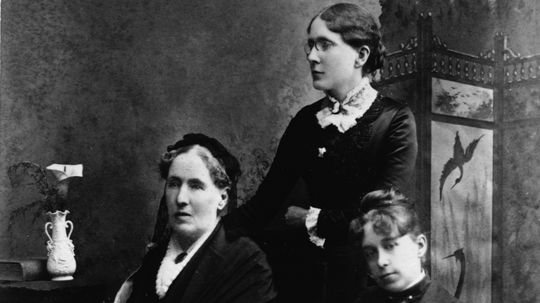
Frances Willard and her followers believed that alcohol abstinence would lead to better health, but they also saw it as a way to create a just society.
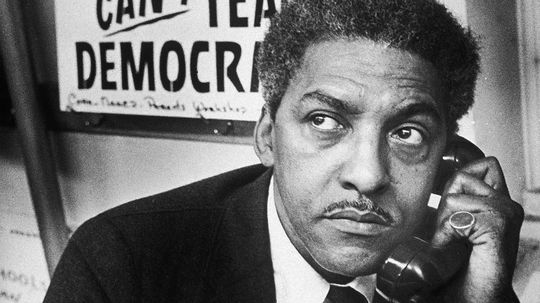
Bayard Rustin fought racism, sexism and classism all his life as a civil rights activist, friend of Martin Luther King Jr. and organizer of the March on Washington.
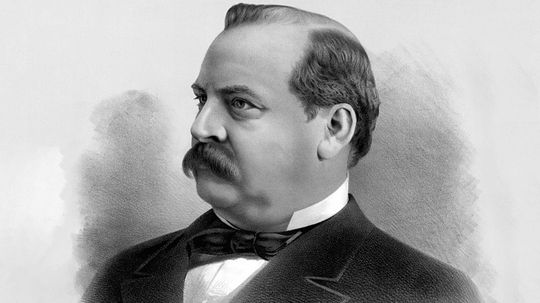
Few former U.S. presidents have ever run again, but even fewer have won. What does this mean for Donald Trump?
Advertisement
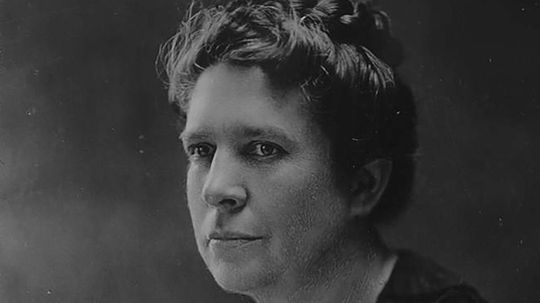
Grateful that U.S. law ensures decent working conditions and children go to school instead of working in mines? Thank Florence Kelley and her congressman father, William "Pig Iron" Kelley.
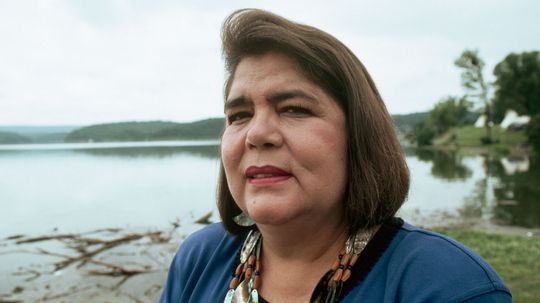
Wilma Mankiller introduced a generation of people not just to Cherokee history but also to a model of Native women's leadership.
By Julie Reed
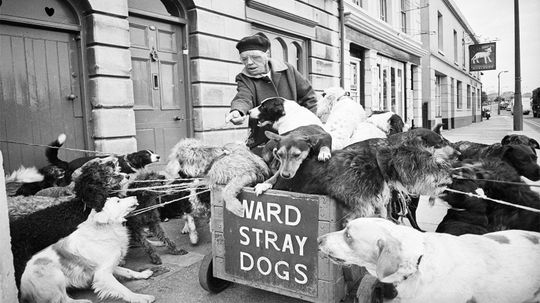
She took in her first stray dog in 1943 and became a legend for her pioneering efforts in dog rescue. Meet "Camberley Kate," the fierce canine advocate who had a heart of gold.
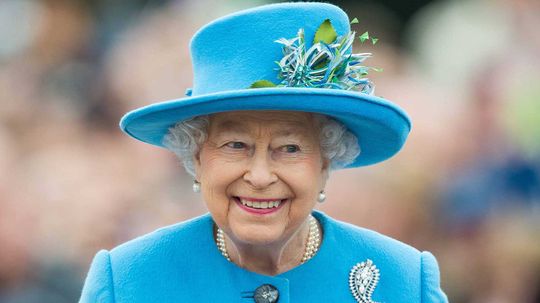
With the death of Queen Elizabeth, the British monarchy marks the end of an era and moves into a new phase as Prince Charles is set to take the throne.
By Sean Lang
Advertisement
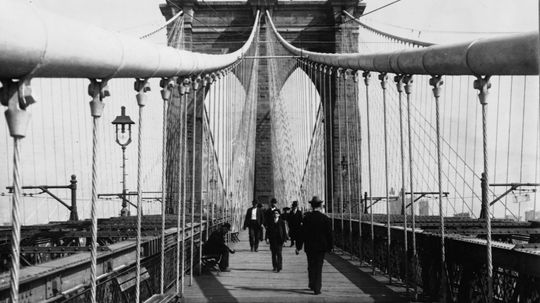
George C. Parker was so successful he gave rise to the phrase, "And if you believe that, I have a bridge in Brooklyn to sell you."

The world is in shock after the assassination of Japan's longest-serving leader, former prime minister, Shinzo Abe. Who was Abe and what will be his legacy?
By Craig Mark
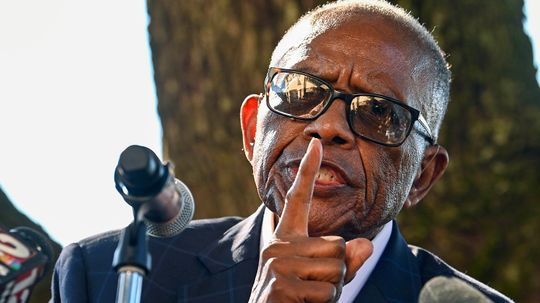
Martin Luther King Jr. called him "the chief counsel for the protest movement." Gray represented everyone from Rosa Parks to MLK, as well as the plaintiffs in the Tuskegee syphilis lawsuit. Now he's getting the nation's highest civilian honor.
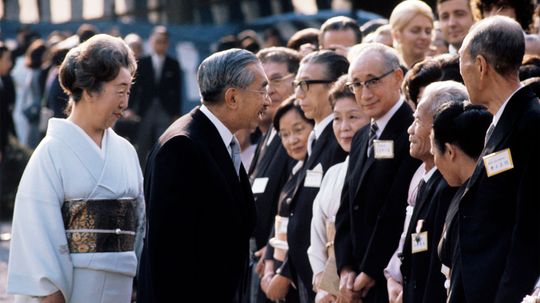
Japan's Emperor Hirohito reigned for more than 60 years, and his tenure included World War II. Although he was never prosecuted for war crimes, many historians say he should have been.
Advertisement
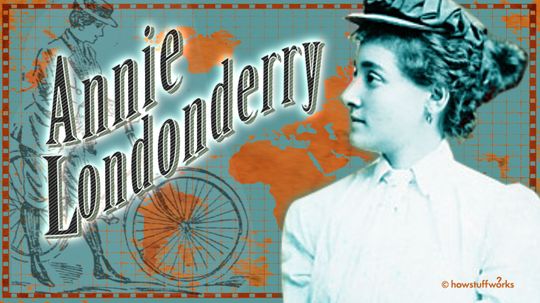
At age 23, Annie Cohen Kopchovsky, aka Annie Londonderry, set out on an around-the-world cycling adventure. Why did she do it and did she make it?
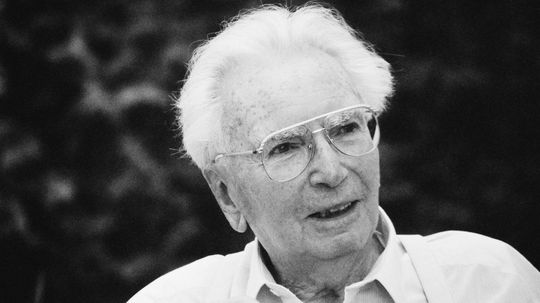
Psychiatrist Viktor Frankl is best-known for penning "Man's Search for Meaning," after surviving three years in Nazi concentration camps. This book has been a beacon of hope to millions over the years.
By Dave Roos