Most people around the globe look at some form of a calendar every single day. Business executives check to see when their meetings are scheduled. The busy mom confirms soccer practices and piano lessons. College students ensure that their papers are turned in on time and they have plenty of time to study for exams. For the people of ancient Maya, calendars were just as important to daily life as they are to people today.
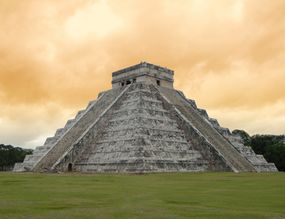
The Mayans originated in a region called Mesoamerica, or Middle America. This region lies in between Mexico and South America and was home to many other cultures, including the Aztec, Olmec, Teotihuacan and Toltec. The Mayans lived in what are today Guatemala, Belize, Honduras, El Salvador and Southern Mexico (Yucatan, Campeche, Quintana Roo Tabasco and Chiapas).
Advertisement
Mayan history is broken into three periods:
- Formative or Pre-classic - 2000 B.C. until A.D. 300
- Classic - 300 until 900
- Post-classic - 900 until the Spanish Inquisition in the 1400s
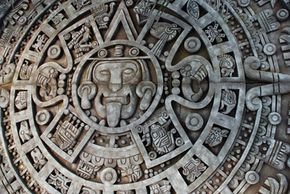
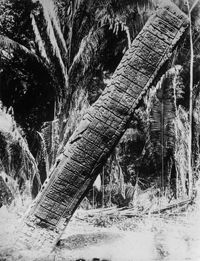
Mesoamericans began writing during the mid-Pre-classic period. The Mayans were the first to keep any sort of historical record, and the beginnings of the calendar were born. The Mayans used stelae, or stone monuments, to carve their civil events, calendars and astronomy knowledge. They also inscribed their religious beliefs and mythology on pottery.
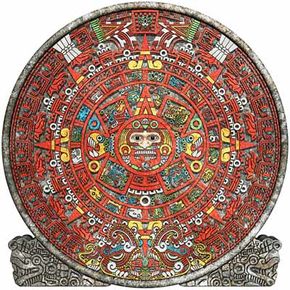
The Mayans placed great value in recording their people's history. While they weren't the first civilization to ever use a calendar, they did devise four separate calendars that lasted for discrete time periods. Depending on their needs, the Mayans used different calendars or some combination of two calendars to record each event. Their Long Count calendar, which we'll learn about in more detail later, expires in 2012, leading some to believe that it coincides with an apocalyptic event.
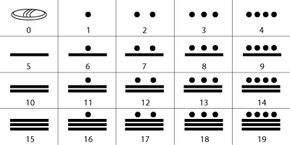
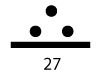
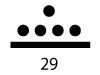
But in order to decipher these different calendars, you'll first need a brief lesson in Mayan math.
Advertisement