15 Least Racist Countries: A Complicated List

By: Lena Thaywick  | 
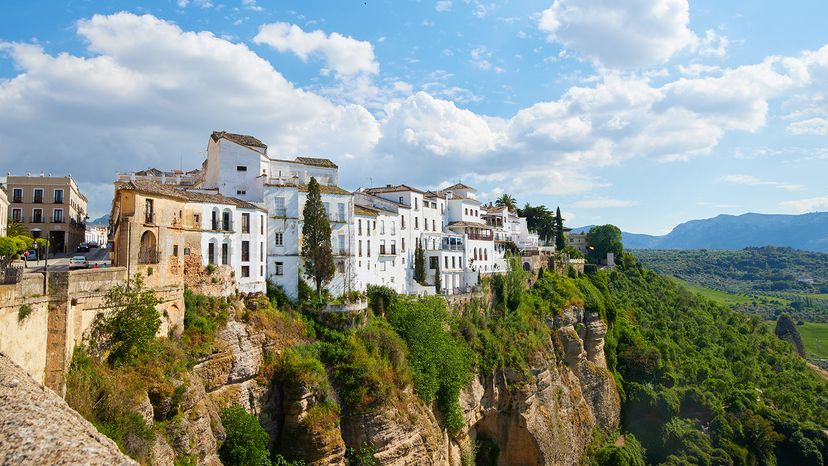
Ronda, Spain
Spain and other countries on this list are by no means free from racism. David Soanes Photography / Getty Images

Racism isn't always loud. Sometimes it's in the job you don't get, the glance you receive at the store, or the place you're told you "shouldn't go." Figuring out the least racist countries is complex, but research, surveys, and policy data can point us in the right direction.

These rankings are based on factors like racial equality laws, the percentage of survey respondents experiencing discrimination based on ethnic origin or skin color, and how society handles hate speech, systemic racism, and government policies. They also account for cultural diversity, history, and how nations treat people of African descent or other ethnic backgrounds.

Advertisement

While racism exists in every country, some nations have created more inclusive societies where race, skin color, religion, or ethnicity play less of a role in how a person is treated.


1. Canada

British Columbia, Canada
British Columbia, Canada. Francesco Riccardo Iacomino / Getty Images

Canada consistently ranks among the best countries for racial tolerance. Cities like Toronto and Vancouver are celebrated for cultural diversity, and government policies support multiculturalism. Anti-discrimination laws cover everything from employment to housing.

Though racism still exists—especially in small towns and among Indigenous communities—international surveys rank Canada among the world’s most accepting and inclusive societies for racial minorities.

Advertisement

2. Uruguay

Maldonado, Uruguay
Maldonado, Uruguay. ElOjoTorpe / Getty Images

Uruguay's legal framework explicitly bans racial discrimination, and Afro-Uruguayans remain severely underrepresented in politics, people of African descent are gaining increased representation. Uruguay elected its first Black senator in 2019.

Uruguay’s society, shaped by a history without large-scale civil war or ethnic conflict, fosters peaceful coexistence across racial and cultural lines. Black Lives Matter protests inspired national conversations about racism, especially in institutions like the university system and the government.

Advertisement

3. Sweden

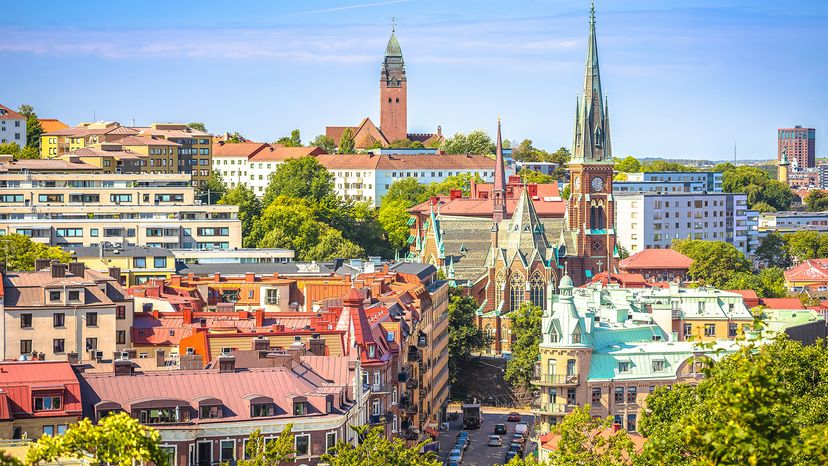
Gothenburg, Sweden
Gothenburg, Sweden. xbrchx / Getty Images

Sweden’s robust human rights laws and education programs make it a model of racial tolerance. Despite political shifts that challenge immigration, the country’s commitment to fundamental rights remains.

According to the European Union Agency for Fundamental Rights, Sweden has strong protections against hate speech and racism, making it one of the most progressive European countries.

Advertisement

The government tracks racism-related crimes and funds cultural integration programs that support immigrants.

4. New Zealand

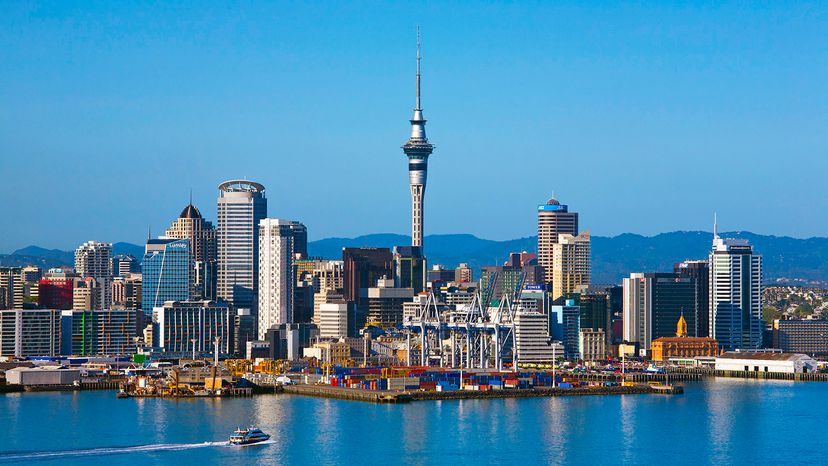
Auckland, New Zealand
Auckland, New Zealand. Scott E Barbour / Getty Images

New Zealand actively works to repair its colonial history by honoring the rights of the Maori and promoting racial equity through education. Anti-racism policies are strong, and daily life for immigrants is generally positive.

The country’s approach offers a real-world example of how political and societal will can reduce systemic racism. The nation’s small population allows for faster responses to racism in both law and society.

Advertisement

5. Portugal

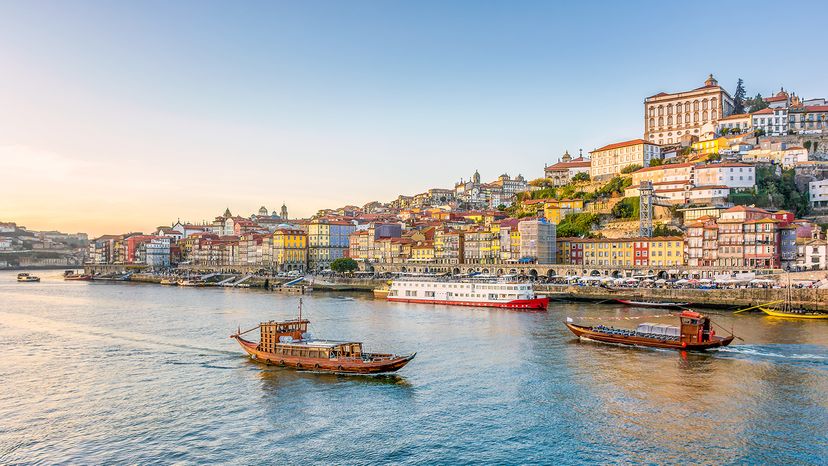
Porto. Portugal
Porto. Portugal. Horia Merla / Getty Images

Portugal has taken steps to address racism rooted in its colonial past. Government programs support immigrant integration and fight racial discrimination.

Cities like Lisbon and Porto highlight how cultural diversity strengthens society. Public awareness campaigns and education reforms focus on racism, immigration, and civil rights.

Advertisement

6. Costa Rica

Costa Rica
Costa Rica. Bkamprath / Getty Images/iStockphoto

Legal protections in Costa Rica extend to all citizens regardless of ethnic origin or religion. Afro-Costa Rican culture is widely celebrated, especially along the Caribbean coast. The country’s education system emphasizes peaceful coexistence and cultural appreciation.

Advertisement

7. Ireland

Ireland
Ireland. Tuul & Bruno Morandi / Getty Images

Since the 1990s, immigration and demographic changes have reshaped Ireland. Anti-discrimination laws now protect against racism in schools, housing, and employment. Government efforts include public education campaigns on ethnic diversity.

The country’s past, once tied to sectarian conflict, is giving way to a more inclusive society. Compared to other European countries, Ireland ranks high in racial tolerance and public sentiment against racism.

Advertisement

8. San Marino

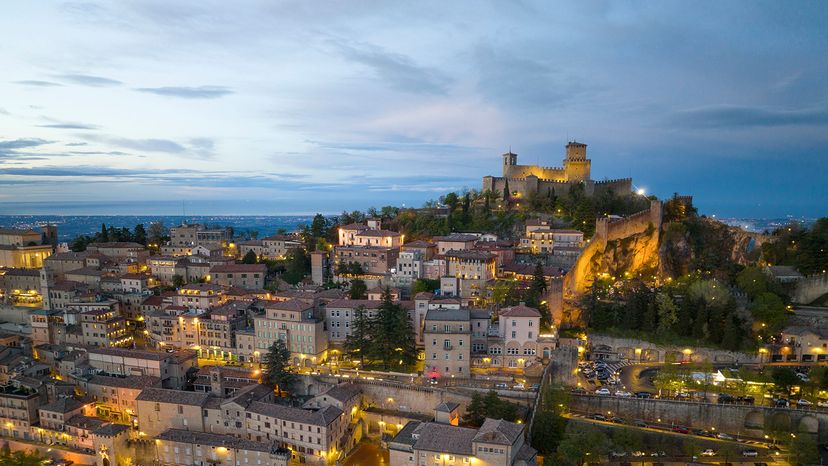
San Marino
San Marino. carlo alberto conti / Getty Images

San Marino, one of the smallest countries in the world, has a population of just over 33,000. With limited immigration and cultural homogeneity, issues around race are rare.

However, that also means few people of different ethnic backgrounds live there. Because of this, it’s hard to measure racial tolerance using traditional metrics.

Advertisement

San Marino’s constitution affirms equality, but in practice the country does not have comprehensive legal protections against racial or religious discrimination. Notably, no specific anti-discrimination or hate-crime statutes exist to protect those categories.

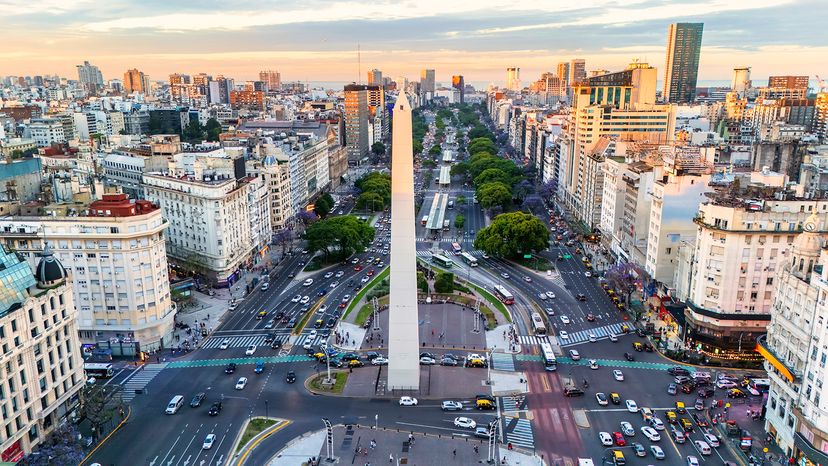
9. Argentina

Buenos Aires, Argentina
Buenos Aires, Argentina. Arturo Peña Romano Medina / Getty Images

Though Argentina’s Black population is underrepresented, new initiatives are addressing racial inequality. Government policies now aim to include Afro-Argentines and Indigenous peoples in national data and public services.

Cultural movements are also reclaiming forgotten histories erased during the 20th century. Survey respondents say society is becoming more open to discussing race, especially in university settings and among younger populations.

Advertisement

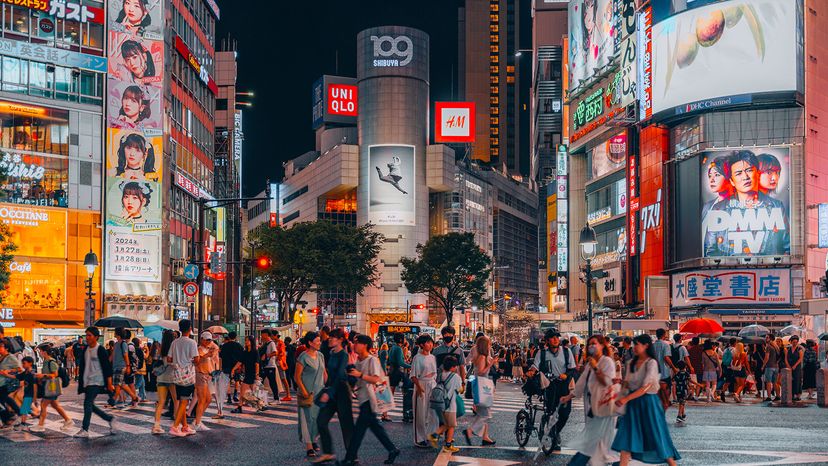
10. Japan

Tokyo, Japan
Tokyo, Japan. Francesco Riccardo Iacomino / Getty Images

Japan presents a mix of racial tolerance and quiet exclusion. Foreigners—especially those of African, Middle Eastern, or South Asian descent—may face subtle barriers in housing and employment. However, public spaces are generally safe, and overt racism is rare.

Education and cultural norms focus more on conformity than diversity, which shapes much of Japan’s racial dynamic. People with blue eyes or visibly different traits may still experience social distance.

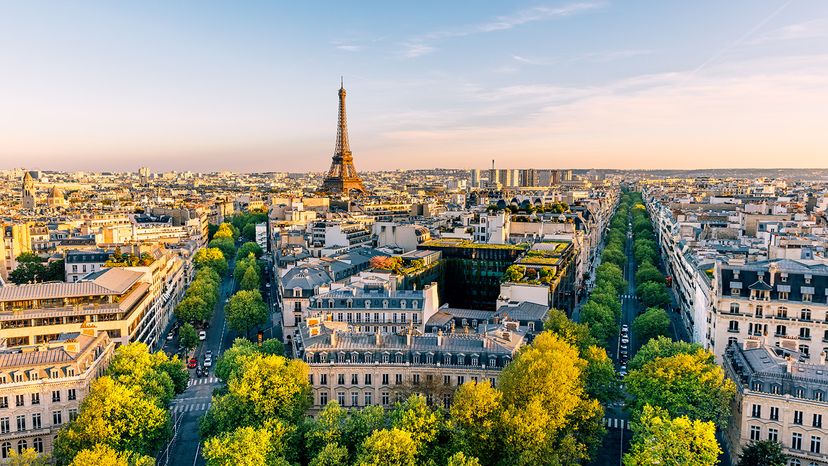
11. France

Paris, France
Paris, France. Alexander Spatari / Getty Images

France has long positioned itself as a color-blind society, where race is not officially recorded. However, recent movements, including those inspired by Black Lives Matter and the death of George Floyd, have pushed the country to confront its own forms of systemic racism.

Hate speech laws are strict, but racial profiling and police violence remain contentious issues. Discrimination is more visible in housing and job markets, particularly for people of African or Middle Eastern descent.

A recent World Report by Human Rights Watch highlighted ongoing struggles for racial justice in France.

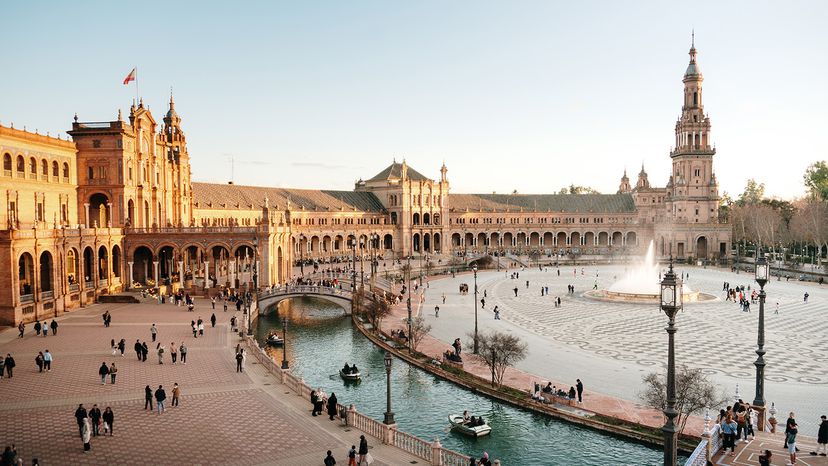
12. Spain

Seville, Spain
Seville, Spain. MarioGuti / Getty Images

Spain ranks relatively high in racial tolerance compared to other European countries. Cities like Barcelona and Madrid are melting pots of culture and ethnicity.

Still, tensions occasionally flare around immigration and unemployment. The Spanish government continues to invest in anti-racism education and supports initiatives through the European Union Agency for Fundamental Rights.

Survey respondents reported that more than half of racial discrimination incidents go unreported. Coverage in major outlets like US News points to Spain’s progress and lingering challenges.

13. Germany

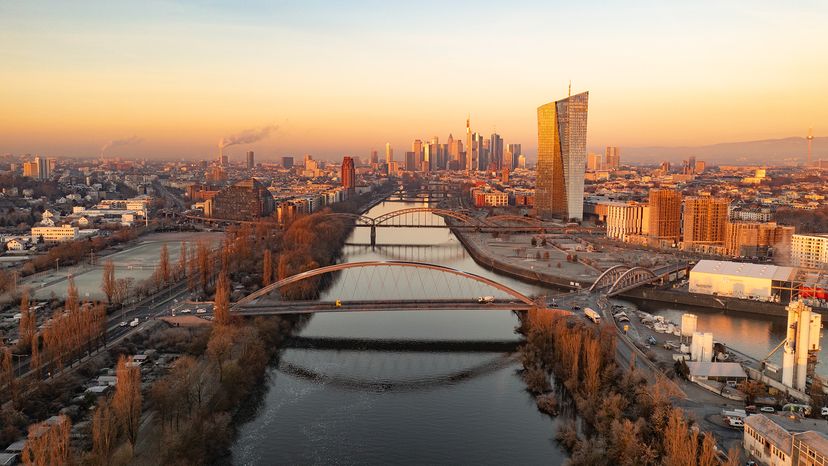
Frankfurt, Germany
Frankfurt, Germany. Haussmann Visuals / Getty Images

Germany’s history with Nazi Germany casts a long shadow, but the country has made significant strides. Laws against hate speech are among the strictest in the world. Education about the Holocaust and racial discrimination is mandatory.

While far-right groups exist, the majority of the population supports policies aimed at racial equality. The government also funds national surveys to track racial incidents and improve integration policies.

Germany’s evolving society, influenced by decades of immigration, reflects growing cultural diversity in daily life.

14. Italy

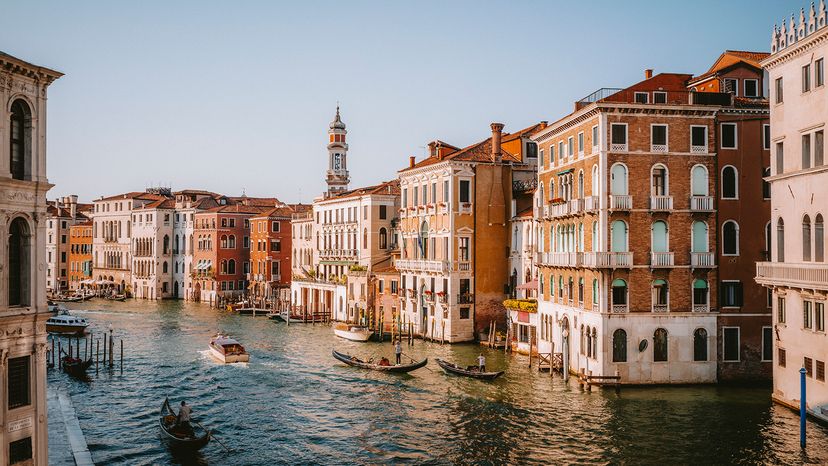
Venice, Italy
Venice, Italy. Gary Yeowell / Getty Images

Italy has struggled with immigration and race-related political debates. However, cities like Milan and Rome are culturally rich and increasingly diverse. Government efforts, particularly those aligned with European Union standards, aim to reduce racial discrimination.

Public opinion remains divided, but educational programs and activism are shifting the conversation. Compared to the past, Italy is becoming more open to people of African descent and other ethnic groups.

15. South Africa

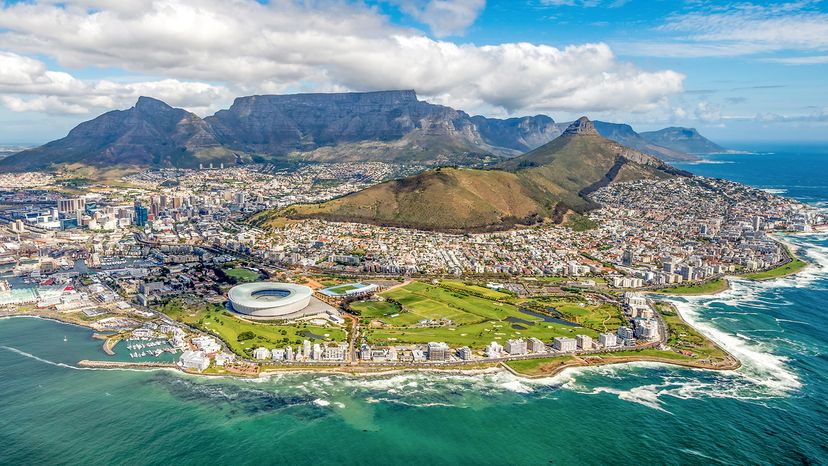
Cape Town, South Africa
Cape Town, South Africa. Ben1183 / Getty Images/iStockphoto

South Africa’s apartheid history makes it a complex case. Though now legally committed to racial equality, economic disparity still reflects racial lines. Activists continue to fight systemic racism, and education plays a major role in shaping the new generation’s views on race.

Many survey respondents report experiencing discrimination based on skin color, but the country’s open dialogue and legal protections are notable. Daily life for a Black person has improved in many areas, though rural regions still face challenges.

Cultural diversity and national reconciliation are key themes in South Africa’s political and educational institutions.

We created this article in conjunction with AI technology, then made sure it was fact-checked and edited by a HowStuffWorks editor.

Advertisement

Loading...