10 Castles in England: From Medieval Fortresses to Mansions

By: Lena Thaywick  | 
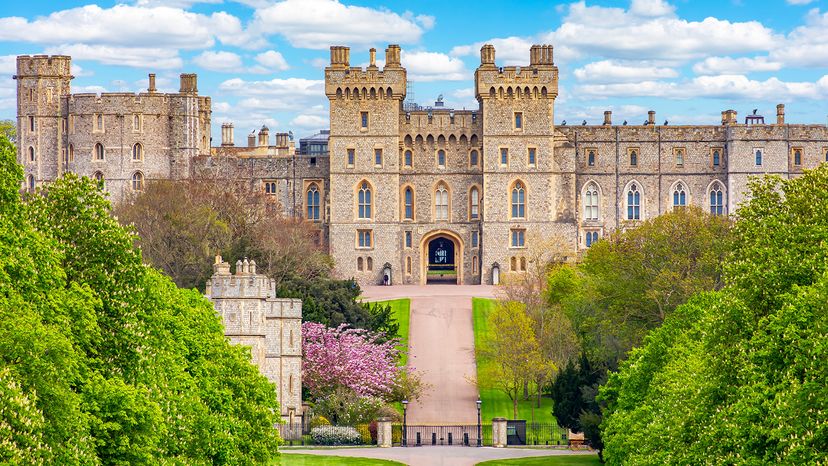
London's Windsor Castle is one of the most famous castles in England, but the others on this list are nothing to sneeze at. Mistervlad / Shutterstock

England’s landscape is dotted with stone towers, curtain walls, and battlements that tell stories of war, royalty, and everyday life in the castles in England. From medieval fortresses to Tudor mansions, these historic sites span the full sweep of English history.

Here are some of the most iconic and fascinating castles in England, known for their beauty, defense, and centuries of drama.

Advertisement
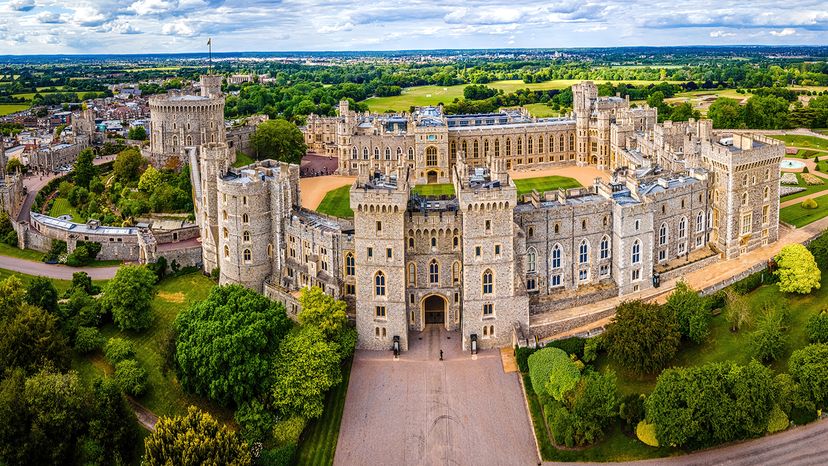
1. Windsor Castle

Castle
Windsor Castle. Alexey Fedorenko / Shutterstock

Still an active royal residence, Windsor Castle is the oldest and largest inhabited castle in the world. Built in the 11th century, it has served as a royal palace for centuries.

The castle’s history includes everything from Norman kings to the modern British monarchy, with highlights like the State Apartments and St. George’s Chapel.

Advertisement

2. Dover Castle

Castle
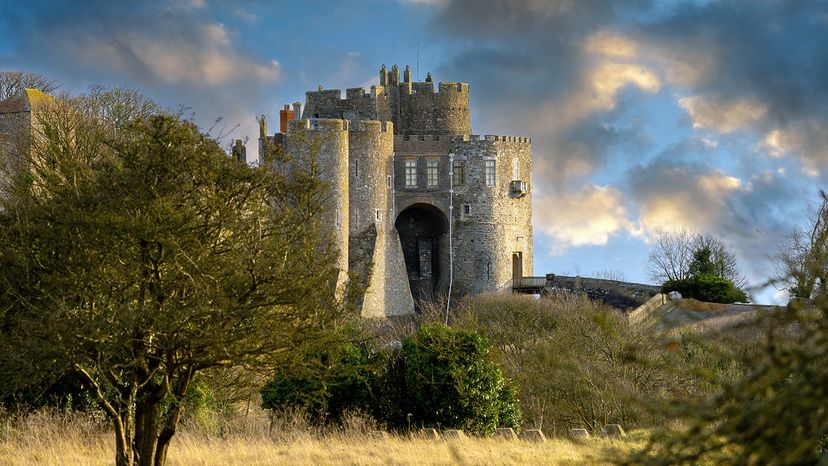
Dover Castle. marcus_photo_uk / Shutterstock

Perched above the White Cliffs, Dover Castle has guarded England’s southeastern coast since the 12th century.

The site has Roman origins (including a first-century lighthouse), whereas the present castle was built in the 12th century and later upgraded as an artillery fortress. During World War II, its tunnels were used as command centers.

Advertisement

3. Alnwick Castle

Castle
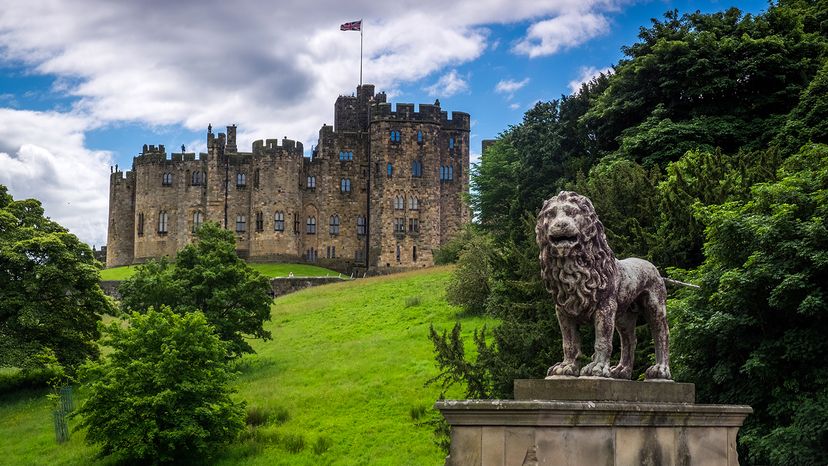
Alnwick Castle. Jaroslav Sekeres / Shutterstock

Look familiar? This Northumberland fortress doubled as Hogwarts in the "Harry Potter" films.

The castle dates back to the Norman period and has been home to the Percy family for over 700 years. It combines medieval castle charm with touches of a country house.

Advertisement

4. Bodiam Castle

Castle
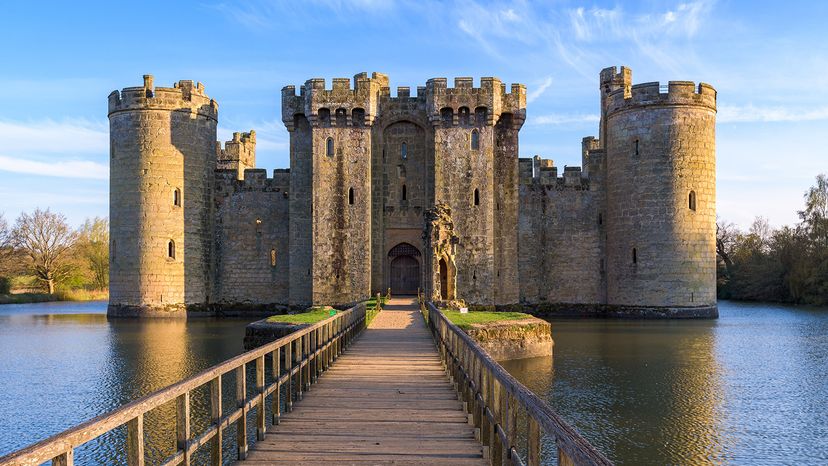
Bodiam Castle. Roberto La Rosa / Shutterstock

A textbook example of a 14th-century courtyard castle, Bodiam Castle in East Sussex features a moat, towers, and battlements that look straight out of a fairy tale.

Though partially ruined, its castle exterior is still striking, and the surrounding countryside adds to its charm.

Advertisement

5. Leeds Castle

Castle
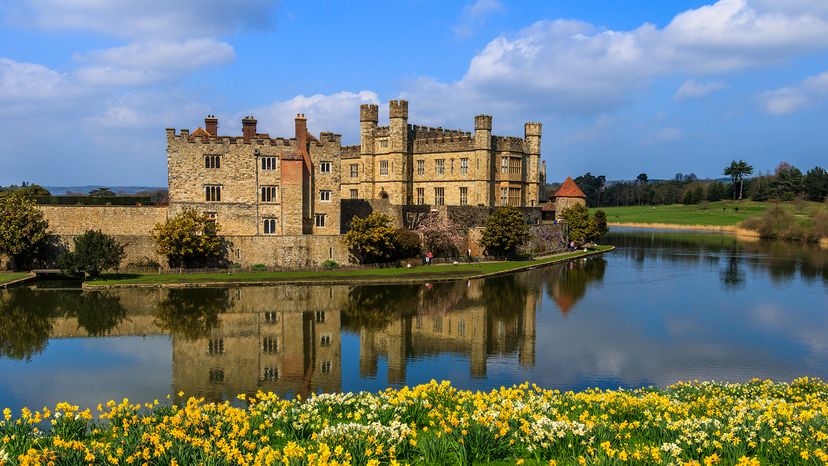
Leeds Castle. Tang Yiu Pan / Shutterstock

Once a Norman stronghold and later a royal residence for six medieval queens, Leeds Castle in Kent evolved into a Tudor palace and later a country house. Today, it features beautiful gardens, a maze, and falconry shows.

Advertisement

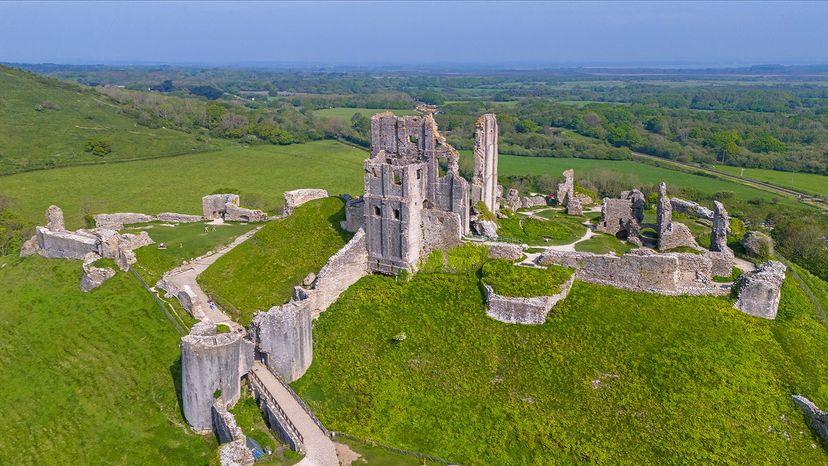
6. Corfe Castle

Castle
Corfe Castle. Thomas McAtee / Shutterstock

This iconic castle ruin in Dorset occupies a site that was likely fortified long before the Norman conquest. Built by William the Conqueror, Corfe Castle was destroyed in the English Civil War.

Impressive earthworks remain, offering a glimpse of the medieval motte and bailey structure.

Advertisement

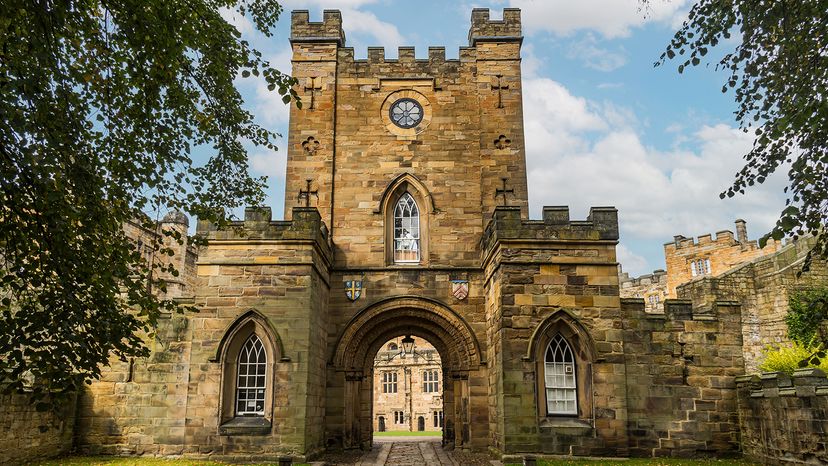
7. Durham Castle

Castle
Durham Castle. Michael Warwick / Shutterstock

Located in County Durham, this motte and bailey castle became a fortified manor house and now serves as a college residence. It sits across from Durham Cathedral, forming a UNESCO World Heritage Site with its Norman architecture.

Advertisement

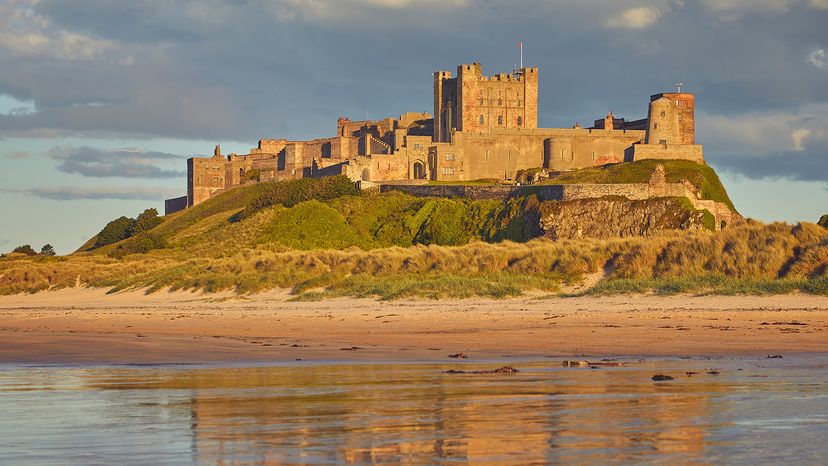
8. Bamburgh Castle

Castle
Bamburgh Castle. Robert Harding Video / Shutterstock

A medieval castle perched above the Northumberland coast, Bamburgh was once the royal capital of the kingdom of Northumbria.

The castle’s history includes battles, sieges, and restoration in the 19th century. Today, visitors explore its halls and the dramatic views over the sea.

Advertisement

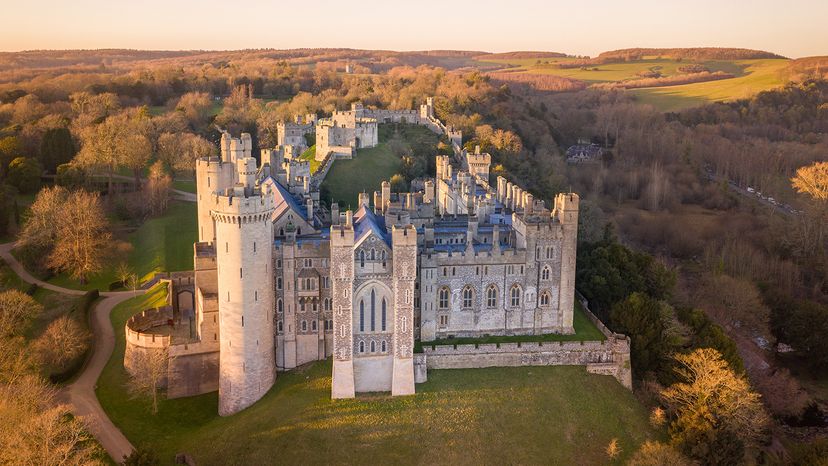
9. Arundel Castle

Castle
Arundel Castle. photosounds / Shutterstock

This historic castle in West Sussex was founded in the 11th century and has been home to the Dukes of Norfolk for generations. It features a great tower, curtain wall, and beautiful interiors.

Arundel mixes the feel of a medieval fortress with that of a country house.

Advertisement

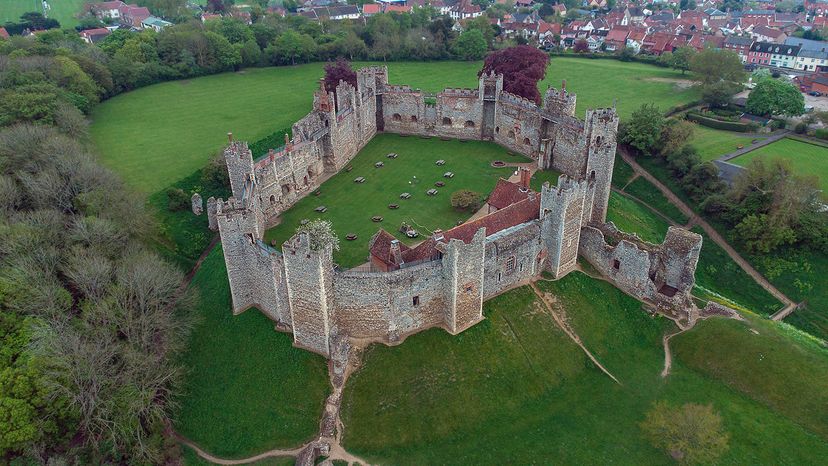
10. Framlingham Castle

Castle
Framlingham Castle. Rob Atherton / Shutterstock

In Suffolk, Framlingham Castle stands with its 13th-century curtain walls mostly intact. The castle passed through several noble families and was once home to Mary Tudor. It played a key role during the turmoil of the Tudor era.

We created this article in conjunction with AI technology, then made sure it was fact-checked and edited by a HowStuffWorks editor.

Advertisement

Loading...