15 Castles in France That Redefine Regal Elegance

By: Lena Thaywick  | 
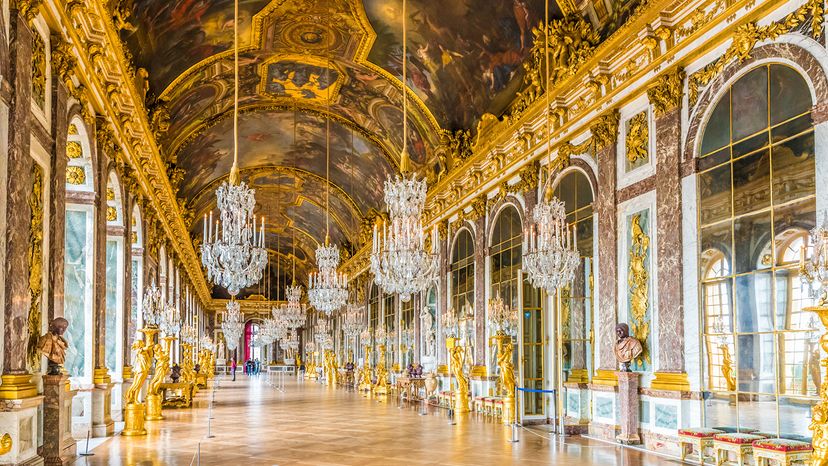
Versailles, France
Wow. Just, wow. Elena Zolotova / Getty Images

Want to travel back in time without giving up your croissant? France has you covered. It’s home to hundreds of castles in France, each one with its own stories, secrets and sweeping staircases.

From medieval fortresses to Renaissance palaces, here are the best of the best.

Advertisement
1. Château de Chambord

Château de Chambord
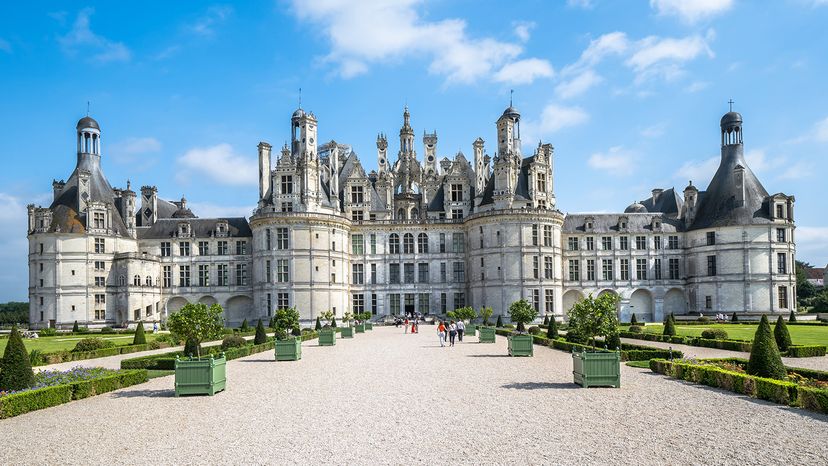
Château de Chambord. D.Bond / Shutterstock

This chateau is the heavyweight champ of the Loire Valley. Built in the 1500s as a hunting lodge for King François I, it's got a double-helix staircase that some historians think Leonardo da Vinci designed.

The first floor is a maze of vaulted halls, while the second floor offers views fit for a king. Its lantern tower and rooftop terraces overlook miles of countryside.

Advertisement

Despite being surrounded by forest, it’s never been occupied for long. Why? Too drafty.

2. Château de Versailles

Château de Versailles
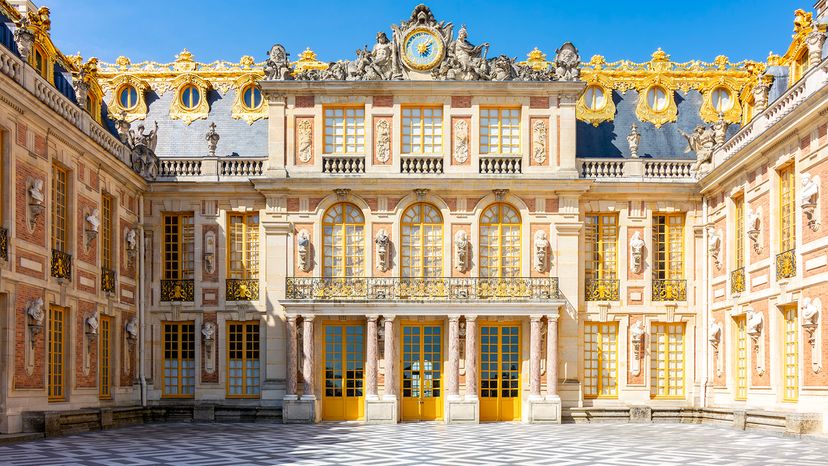
Château de Versailles. Takashi Images / Shutterstock

You’ve heard of the Sun King: Louis XIV lived here in some serious style. Versailles started as a humble hunting lodge and became the most opulent palace in Europe. Tour the Hall of Mirrors, peek into rooms filled with original furnishings, and walk the endless gardens.

Just outside Paris, it’s a short trip but a deep dive into the power and drama of the French court. The site also tells a story of how France's royal family navigated the years leading up to the French Revolution.

Advertisement

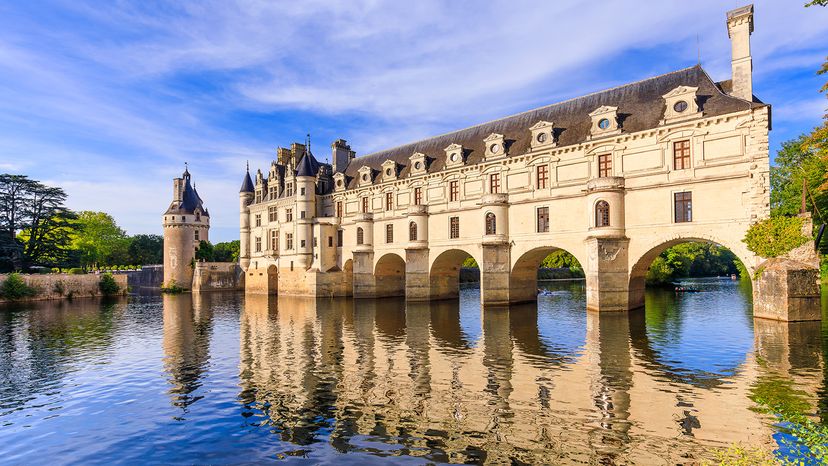
3. Château de Chenonceau

Château de Chenonceau
Château de Chenonceau. SCStock / Getty Images

Spanning the River Cher like a bridge from a fairy tale, Chenonceau is one of the most beautiful castles in France. It’s also one of the most unusual.

Women ruled this house for centuries, including Diane de Poitiers and Catherine de' Medici. The interior blends Renaissance flair with rustic touches—think wood ceilings, floral tapestries and a breakfast nook with a river view.

Advertisement

Don’t skip the gardens or the small but fascinating museum.

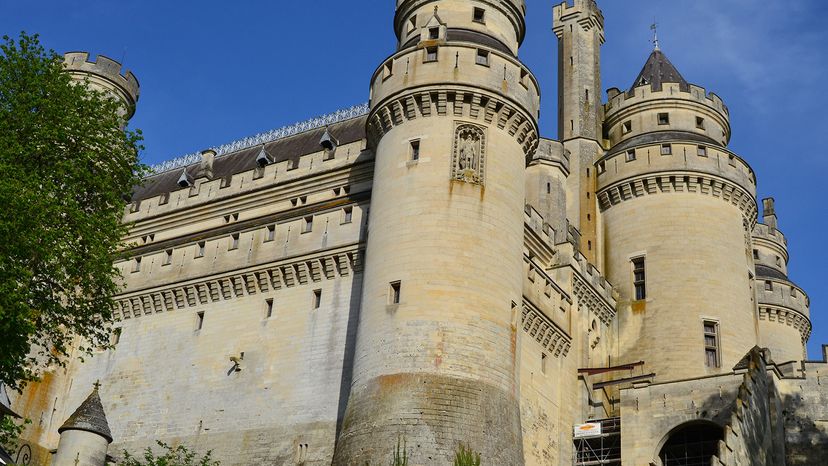
4. Château de Pierrefonds

Château de Pierrefonds
Château de Pierrefonds. Wirestock Creators / Shutterstock

This Gothic revival masterpiece in the north (Hauts-de-France) looks medieval but was rebuilt in the 19th century. Napoleon III and architect Eugène Viollet-le-Duc gave it the dramatic turrets and stonework you see today.

Used as a fortress during the Hundred Years War, it was later rebuilt in the 19th century in a romanticized medieval style. Its towers and rock walls make it one of the most photographed castles in France.

Advertisement

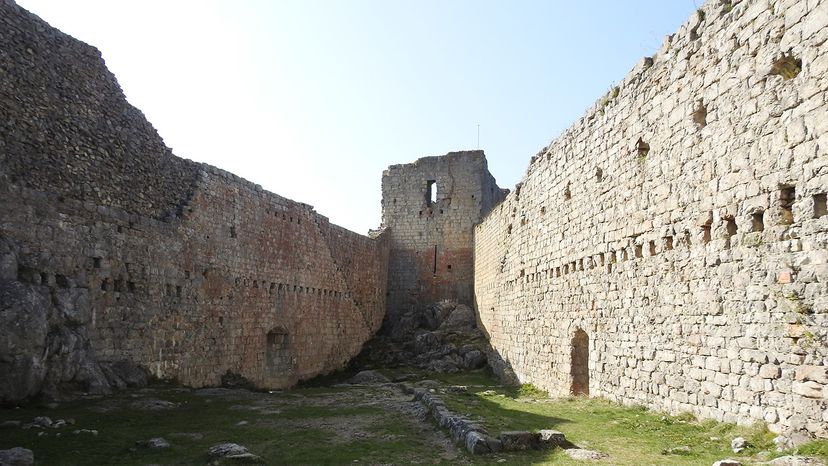
5. Château de Montségur

Château de Montségur
Château de Montségur. Dan Shachar / Shutterstock

Perched high on a rocky hill in the south of France, this ruined fortress has seen some things. It was one of the last strongholds of the Cathars, a religious group nearly wiped out during the Albigensian Crusade.

The climb is steep, but the view is unmatched. Imagine standing in a corner tower, wind howling, centuries of conflict behind you. More powerful than pretty.

Advertisement

6. Château d'Amboise

Château d'Amboise
Château d'Amboise. SCStock / Shutterstock

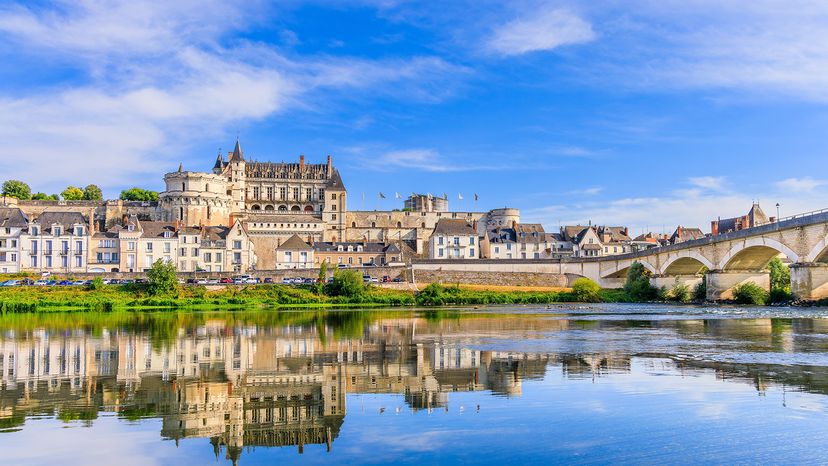
Located in the heart of the Loire Valley, this castle offers a tight mix of courtly life and military might. French kings like Charles VIII and François I held court here. Leonardo da Vinci is buried in its royal chapel.

From its walls, you can see the town, the river, and the world beyond. Plan your visit to include the lantern tower and the lower halls, then grab a rustic lunch in town.

Advertisement

7. Château de Carcassonne

Château de Carcassonne
Château de Carcassonne. J2R / Shutterstock

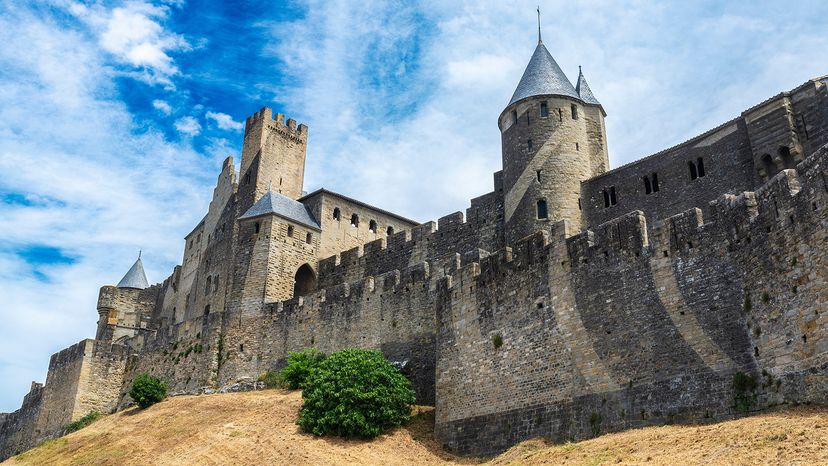
This one’s not just a castle; it’s a fortified city. With double walls and 52 towers, Carcassonne looks like a medieval theme park, but it’s real. Occupied since Roman times, it was a fortress in the Middle Ages and played a role in the Hundred Years War.

Walk along the ramparts, duck into the interior rooms, and picture a time when the moat kept enemies at bay. The thick stone walls echo stories from centuries of battle.

Advertisement

8. Château de Fontainebleau

Château de Fontainebleau
Château de Fontainebleau. Strikernia / Shutterstock

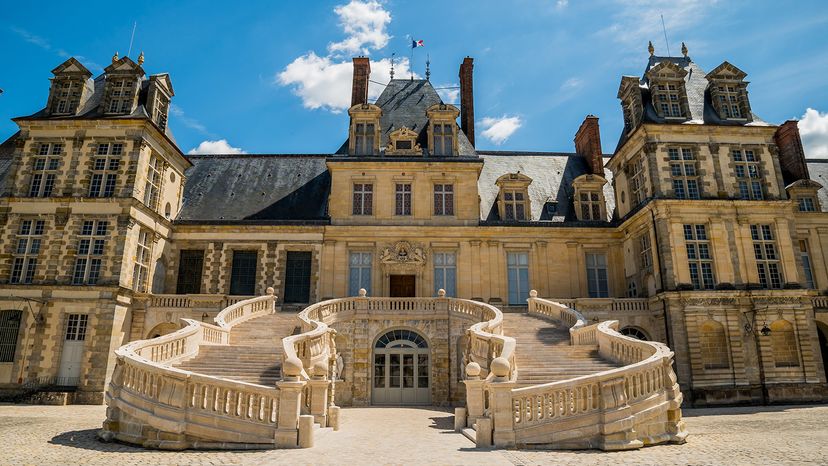
If Versailles had a relaxed cousin, it would be Fontainebleau. This royal palace saw more than 30 French kings, from Louis VII to Napoleon. Its halls are filled with Renaissance woodwork, imperial rooms, and original artwork.

The surrounding forest once served as royal hunting grounds, and today it's a peaceful place to stroll after your visit. With multiple towers and a complex floor plan, it’s a favorite among those on their first visit to a French castle.

Advertisement

9. Château d’Angers

Château d’Angers
Château d’Angers. saiko3p / Shutterstock

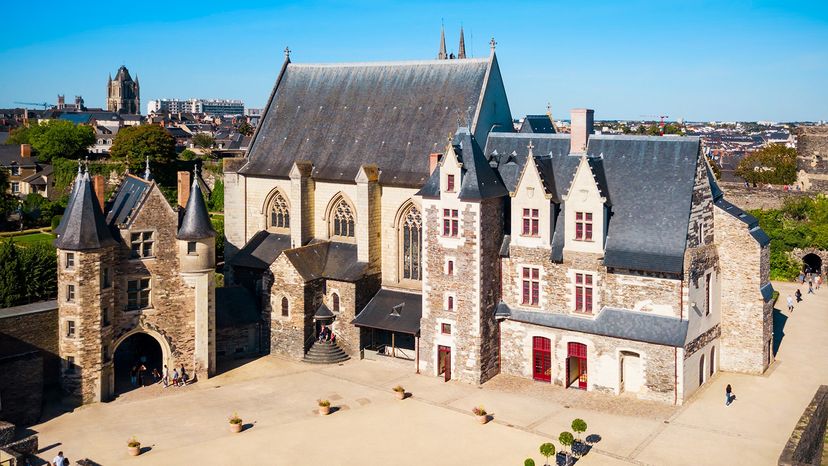
In the heart of the town of Angers in western France, this fortress packs 17 towers and some serious medieval vibes.

Built in the 13th century and later reinforced during the Hundred Years War to defend the region, it’s now home to the Apocalypse Tapestry—a 328-ft (100-m) work of art that tells a wild biblical story.

Advertisement

The interior mixes stone, wood, and quiet corners that whisper history. Its strategic location made it a site of royal importance and court intrigue.

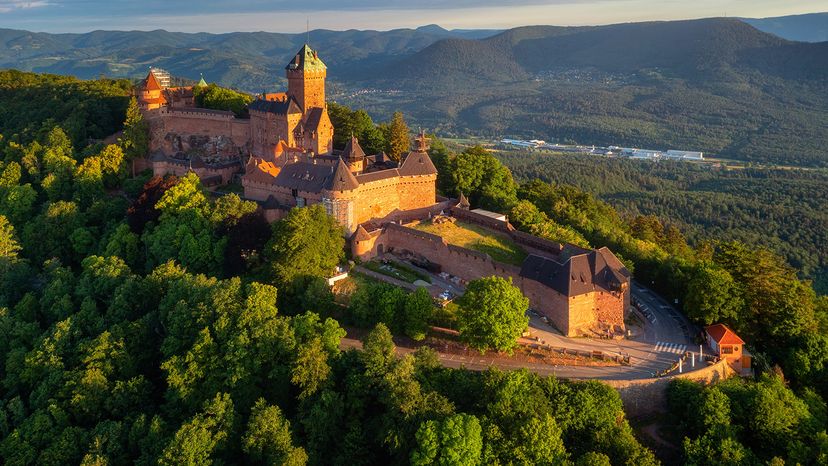
10. Château de Haut-Koenigsbourg

Château de Haut-Koenigsbourg
Château de Haut-Koenigsbourg. Boris Stroujko / Shutterstock

Way up in Alsace near the German border, this rebuilt castle rises from the forest like something out of a fantasy novel. The site has been occupied since the Middle Ages, but much of what you see today was restored in the early 1900s.

Tour the main tower, the dining hall, and the kitchens filled with iron pots and ideas of old-world life. Surrounded by trees and perched on rock, it overlooks the countryside with commanding presence.

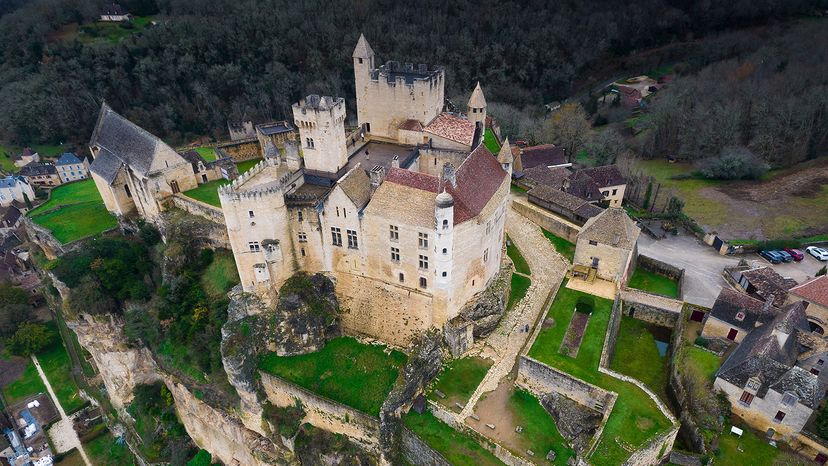
11. Château de Beynac

Château de Beynac
Château de Beynac. Francisco Javier Gil / Shutterstock

Located in Nouvelle-Aquitaine and overlooking the Dordogne River, Beynac is one of the best-preserved medieval castles in France. Its strategic position on a hill made it a key fortress during the Hundred Years War.

You can tour rooms with original furnishings, walk along narrow stone corridors, and stand in halls that once echoed with the plans of warlords and kings. The castle's thick stone walls and hilltop site made it nearly impenetrable.

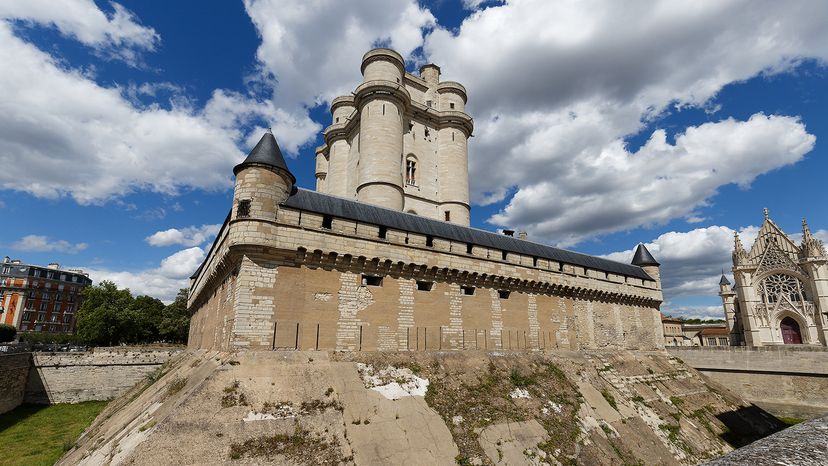
12. Château de Vincennes

Château de Vincennes
Château de Vincennes. Petr Kovalenkov / Shutterstock

Right outside Paris, this lesser-known chateau packs a lot of history into its tall main tower and thick walls. Originally built as a royal hunting lodge, it evolved into a fortress and prison. During the French Revolution, it saw occupation and political drama.

Now a museum, it tells the story of how power and architecture changed over centuries. If you plan your visit just right, you can tour the royal chapel and see the contrast between court luxury and military strength.

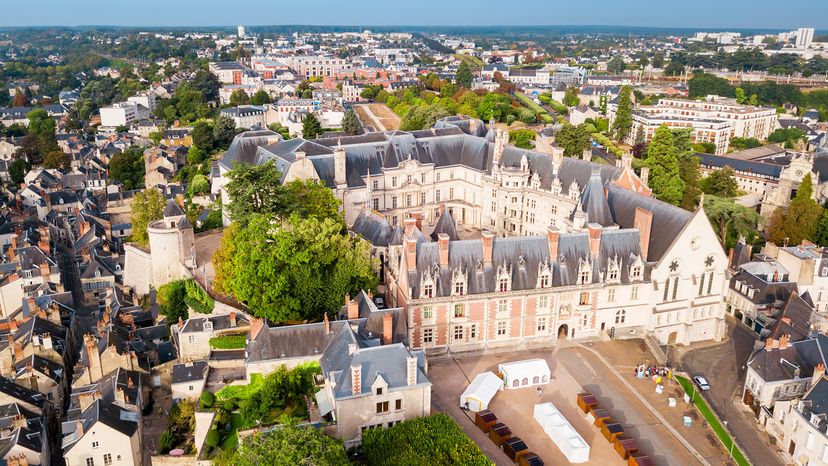
13. Château de Blois

Château de Blois
Château de Blois. saiko3p / Shutterstock

Blois was the favorite residence of several French kings and queens. The castle combines Gothic, Renaissance, and Classical styles—often in the same room.

Its staircase is a standout feature, and the interior is filled with courtly details. From its towers, you can imagine watching the town unfold centuries ago.

For those planning a tour through the Loire Valley, this chateau is a must. You’ll find palaces, power, and a sense of how architecture evolved in every room.

14. Château de Brissac

Château de Brissac
Château de Brissac. Alxcrs / Shutterstock

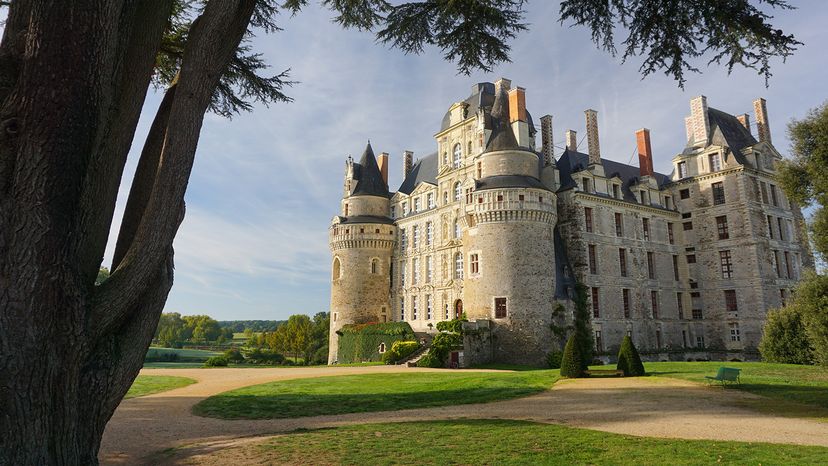
Nicknamed the "Giant of the Loire Valley," Brissac is the tallest chateau in France, with seven stories. The first and second floors hold vast halls and bedrooms filled with ornate furniture.

Owned by the same noble family for generations, the chateau is still a private residence—but parts are open to the public. It’s a perfect blend of royal flair and rustic charm.

15. Château de Josselin

Château de Josselin
Château de Josselin. Underawesternsky / Shutterstock

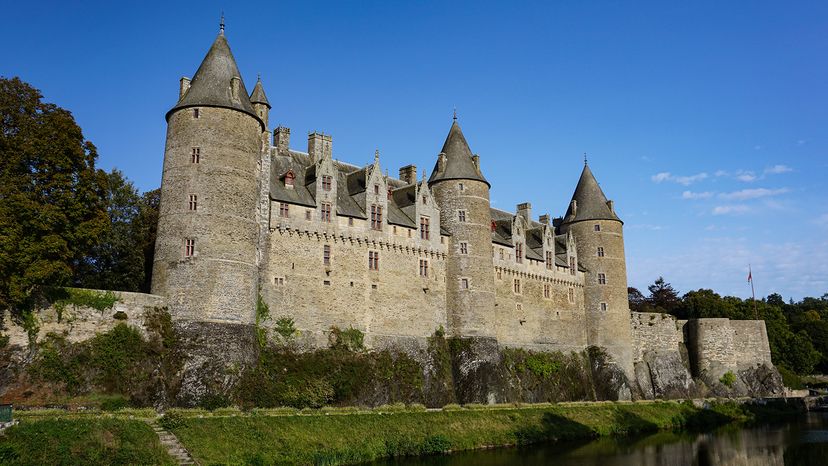
Located in Brittany, this castle blends medieval military design with Renaissance elegance. Still occupied by descendants of the original noble family, it stands as a symbol of continuity in French history.

The town around it adds to its charm, and its strategic corner placement over the River Oust made it a key site in regional power struggles.

We created this article in conjunction with AI technology, then made sure it was fact-checked and edited by a HowStuffWorks editor.

Advertisement

Loading...