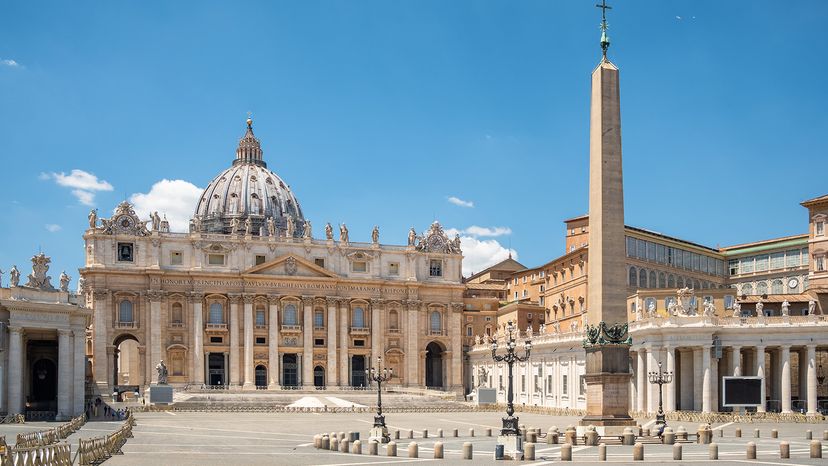
The spiritual and administrative centre of the Catholic Church, Vatican City is the least populated country in the world. Nestled within Rome, it has an estimated population of around 800 residents. Despite its tiny land area, it plays an outsized role in global religious and diplomatic affairs.
Advertisement
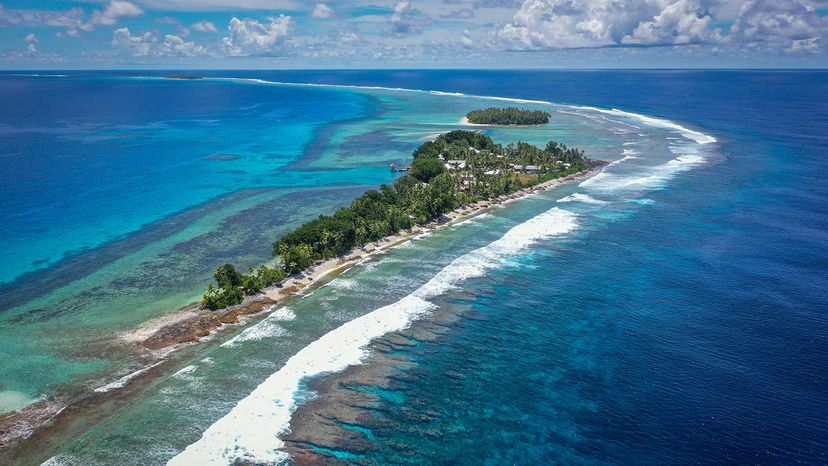
2. Tuvalu (10,000)
Tuvalu. Brandi Mueller / Getty Images
This South Pacific island nation is made up of nine small atolls and has a population of just over 10,000 people. Its remote Pacific location and limited natural resources constrain population growth. As sea levels rise, Tuvalu faces unique challenges that threaten its long-term habitability.
Advertisement
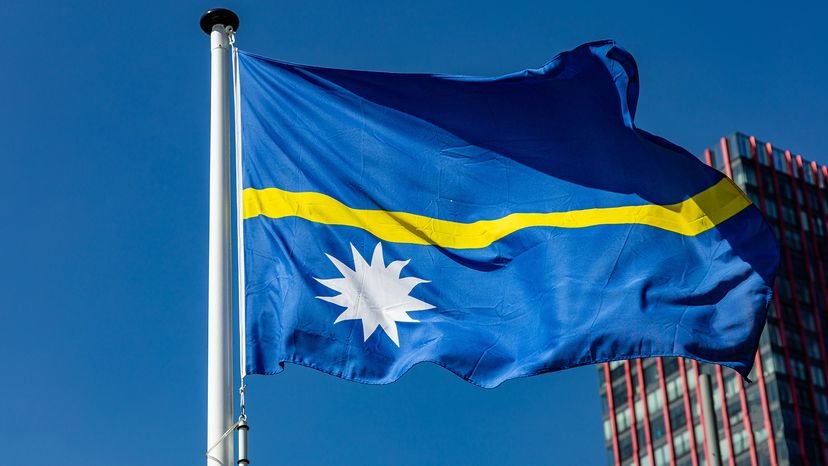
3. Nauru (13,000)
Nauru flag. rawf8 / Shutterstock
Once booming due to phosphate mining, this Pacific island nation has fewer than 13,000 residents today. With no major trade routes or large-scale industry, Nauru's small population reflects its limited economic opportunities and isolated position.
Advertisement
4. Palau (20,000)
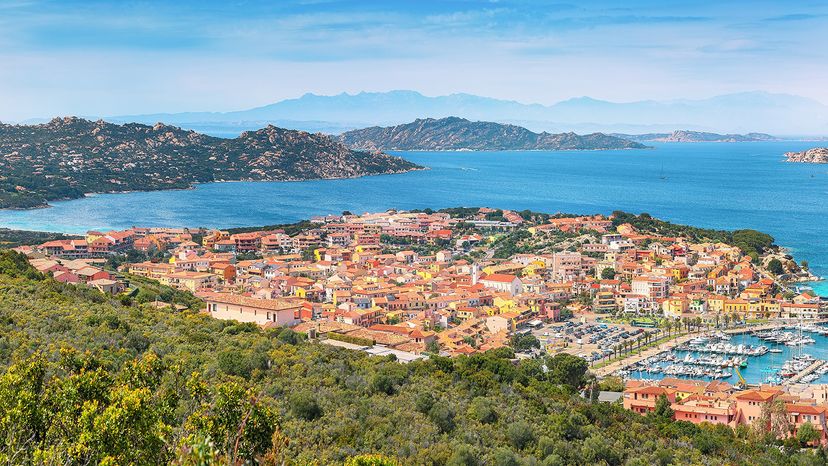
Palau. Vadym Lavra / Shutterstock
A self-governing island country in free association with the United States, Palau has a population under 20,000. It consists of some 340 atolls and volcanic islands, known for luxury tourism and rich marine biodiversity. Its political status helps support its small economy.
Advertisement
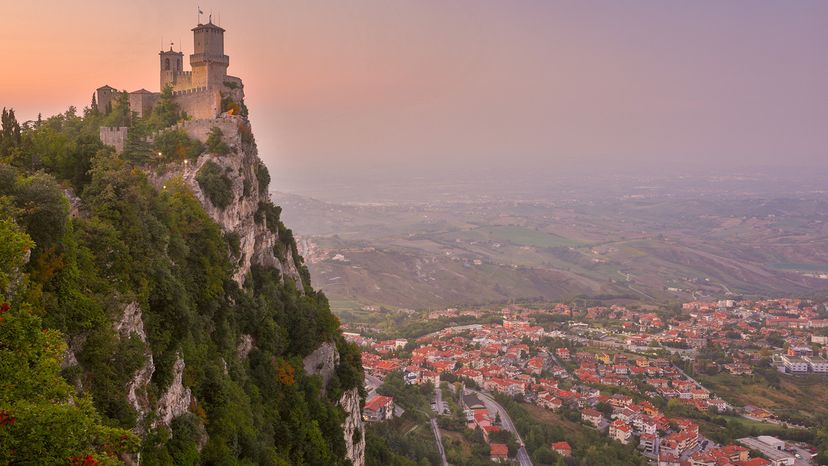
5. San Marino (34,000)
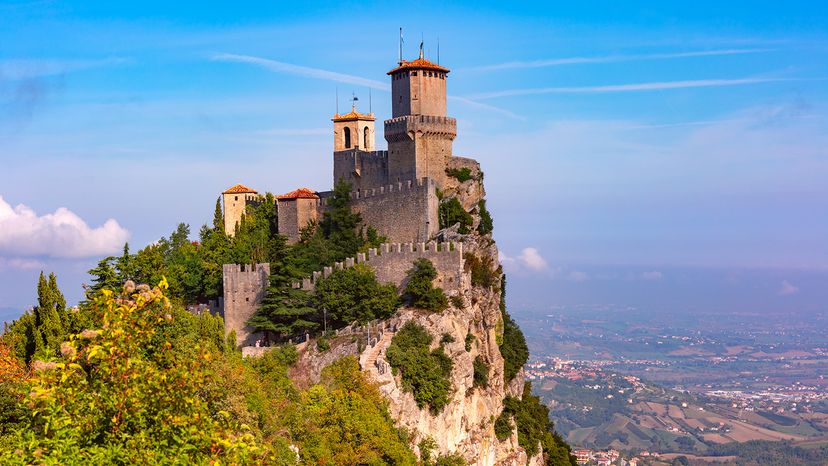
San Marino. kavalenkava / Shutterstock
This landlocked microstate in Europe is one of the world’s oldest republics. With a population of around 34,000 and a tiny land area, San Marino has maintained independence and tradition for centuries, despite being surrounded by Italy.
Advertisement
6. Saint Kitts and Nevis (50,000)
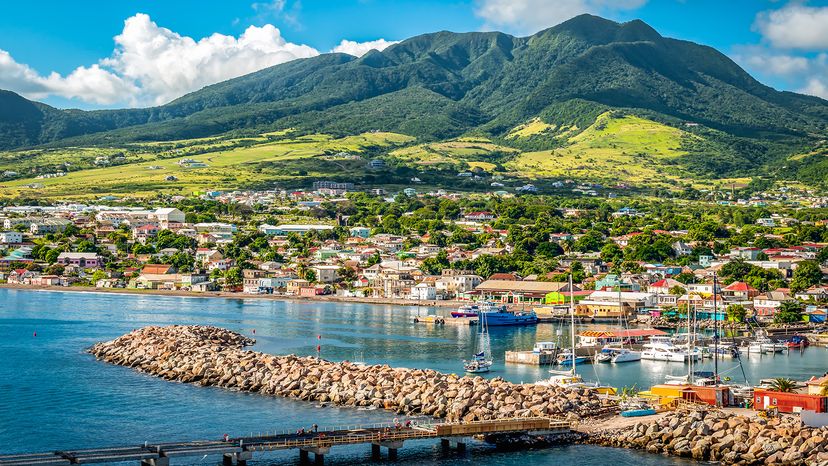
St Kitts Island. Nancy Pauwels / Shutterstock
A Caribbean island nation with a population under 50,000, this two-island country relies heavily on tourism and offshore banking. Its limited land area and economic centres contribute to its status as one of the least populated countries in the western hemisphere.
Advertisement
7. Marshall Islands (60,000)
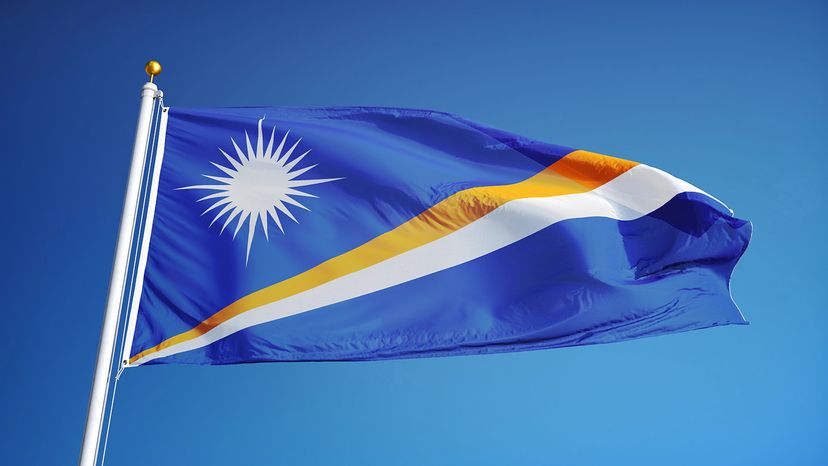
Marshall Islands flag. railway fx / Shutterstock
Located in the central Pacific, the Marshall Islands are made up of many small atolls and islands. With a population of about 60,000, its remoteness and limited infrastructure constrain large-scale settlement. The islands' economy relies on U.S. aid and fishing rights.
Advertisement
8. Liechtenstein (39,000)
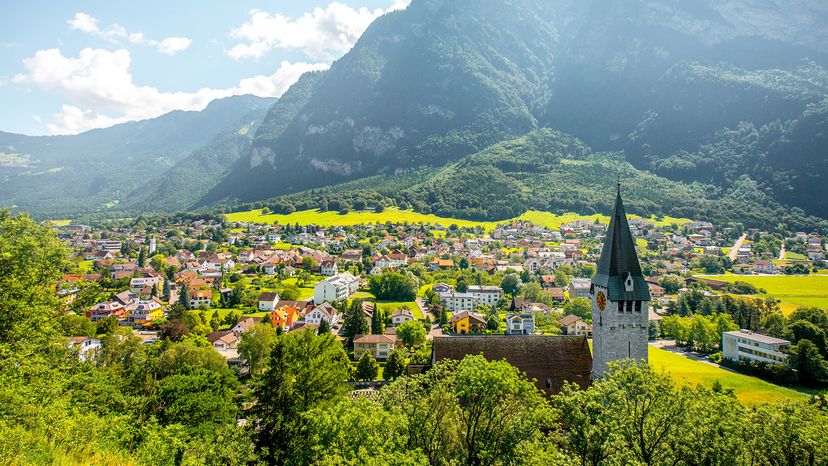
Liechtenstein. RossHelen / Shutterstock
A wealthy alpine country tucked between Switzerland and Austria, Liechtenstein has around 39,000 citizens. Its small population size belies its strong financial sector and high standard of living. It remains a typical country in terms of governance, despite its scale.
Advertisement
2 Small Bonuses
These next two aren't territories, not countries, but their minuscule populations merit mention.
1. Montserrat (4,000)
A British overseas territory in the Caribbean, Montserrat once had over 13,000 residents. A devastating volcanic eruption in the 1990s led to the evacuation of much of the island. Today, population recovery remains slow, and new residents are few, with the total just over 4,000.
Advertisement
2. Saint Pierre and Miquelon (6,000)
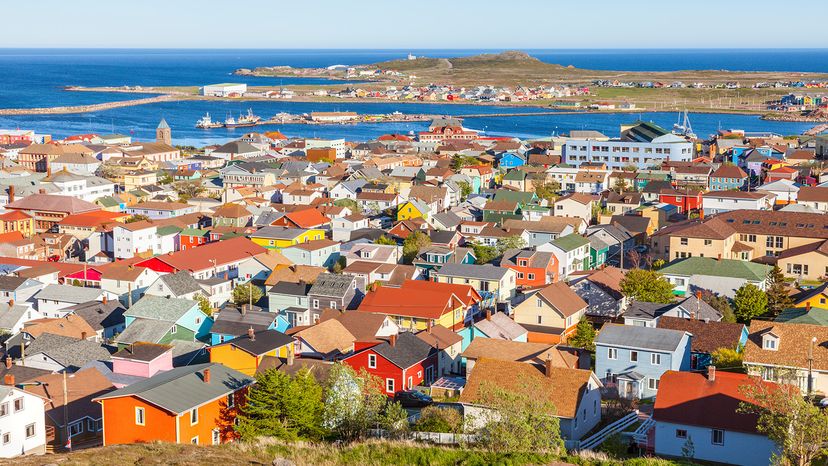
Saint Pierre and Miquelon.
Henryk Sadura / Shutterstock
A French overseas collectivity near Canada, this territory has fewer than 6,000 residents. Its harsh sub-Arctic climate and remote North Atlantic location have kept population growth low. Despite its status, it maintains French culture and administration.
We created this article in conjunction with AI technology, then made sure it was fact-checked and edited by a HowStuffWorks editor.
Advertisement
Cite This!
Please copy/paste the following text to properly cite this HowStuffWorks.com article: