
World History
HowStuffWorks looks at the history and culture of places from all over the world.
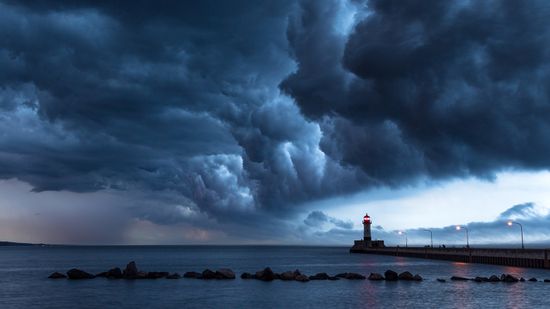
The SS Edmund Fitzgerald and a Fateful Night on Lake Superior
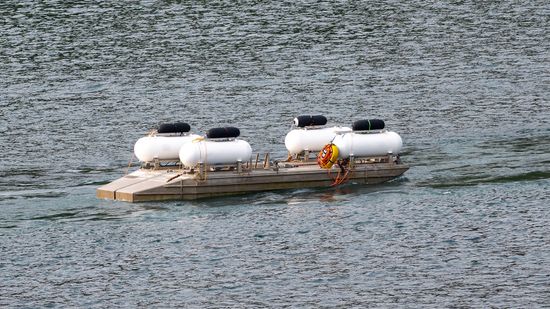
OceanGate: What Went Wrong and Why
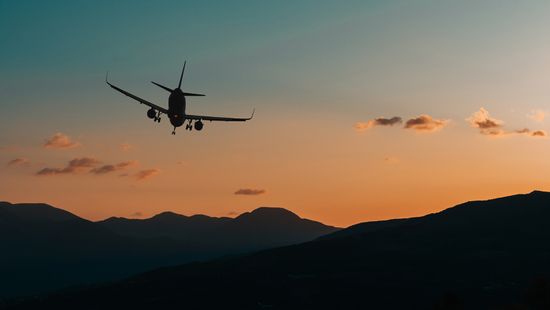
What Happened to MH370, the Missing Malaysia Airlines Flight?
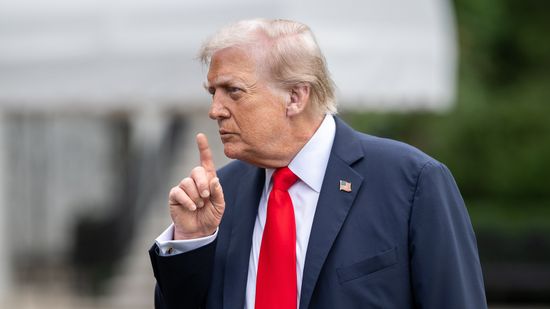
5 Most Corrupt Presidents in U.S. History (Including a Civil War Hero)
10 of the Worst People in History: A Leadership Hall of Infamy
The Most Powerful People in the World Aren't Always the Richest
The Madden Curse Debate: NFL Legends Weigh In on the Phenomenon
Most Haunted Places in the World: True Encounters and Tales

Is Santeria Considered Witchcraft? A Deep Dive into the Tradition
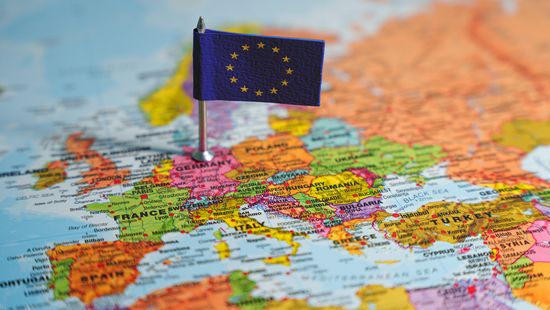
How Many Countries Are in Europe? Surprisingly Not a Simple Answer
Why Did the USSR Fall? The Real Costs of Becoming a Superpower
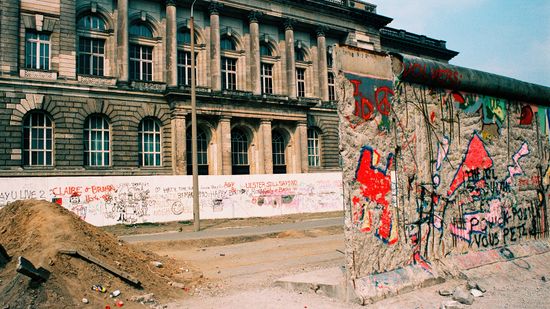
Why Did the Berlin Wall Fall?
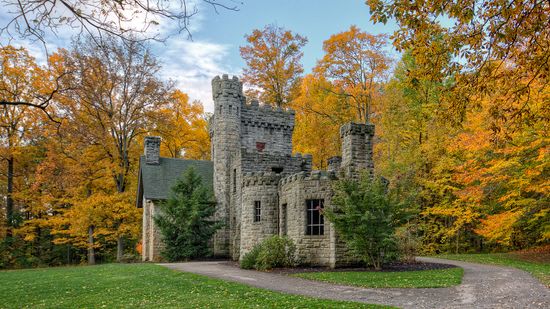
There Are Castles in Ohio? No Foolin'?
10 Least Diverse States in the U.S.
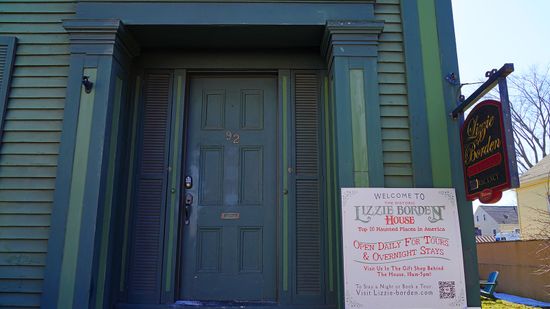
10 Most Haunted Places in America: Stanley Hotel, Queen Mary, and More
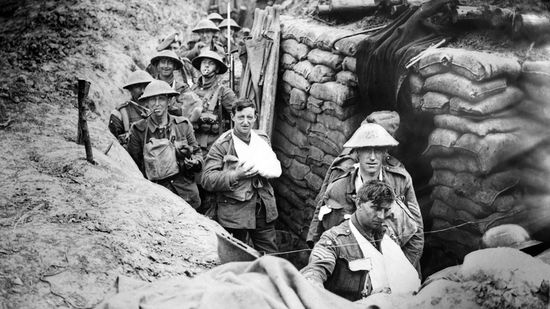
What Classifies a World War as, Well, a World War?
Hiroshima Shadows Preserve One of History's Darkest Moments
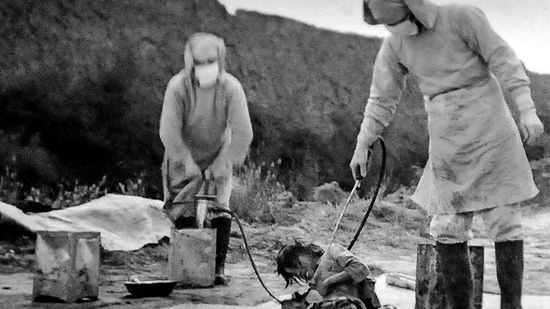
Unit 731: Inhumane Medical Experimentation During WWII
Learn More
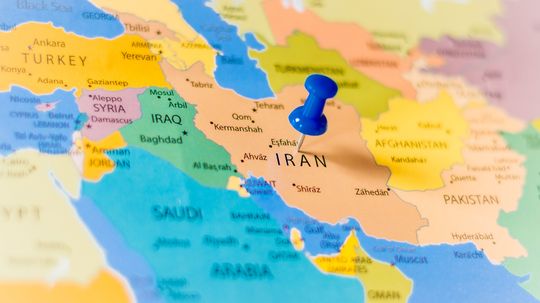
Anyone watching headlines in 2026 is wondering, who is the U.S. allies with? Who is Iran allies with? Many are trying to understand how the Islamic Republic builds partnerships and influence across the Middle East and the wider world.
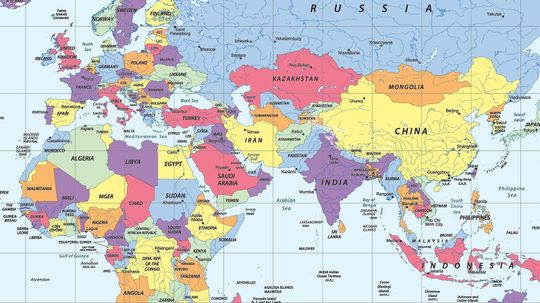
Countries that start with S appear across much of the globe. There's a total of 26 countries whose names start with the letter S in English, spread across Africa, Asia, Europe, Oceania, and the Americas.
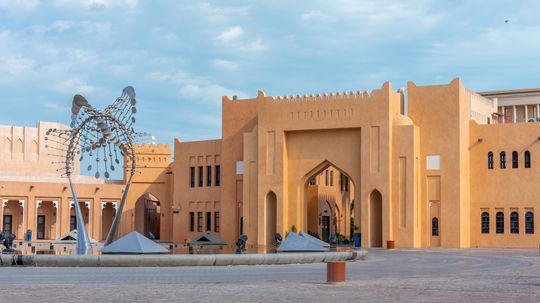
Many people assume there must be several countries that start with Q. After all, the world contains nearly 200 countries. So it seems logical that more than one would begin with that letter. But when you look at country names in English, the list is unexpectedly short.
Advertisement
As global politics become increasingly gnarly, many want to know: Who is America's greatest ally? Many Americans look at national security, history, military cooperation, and economic ties to decide which country stands closest to the United States.
People often search for "country that starts with x" and expect to find at least one nation on the list. After all, the English alphabet has 26 letters and nearly 200 sovereign states around the world.
War has shaped human societies for thousands of years. The biggest wars in history were the armed conflicts with the largest death tolls and the widest political consequences.
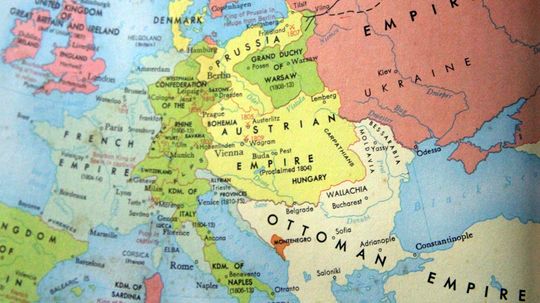
Why did the Ottoman Empire fall? There's no single answer. It was a slow-motion collapse fueled by internal dysfunction, foreign intervention and the brutal modernity of war.
Advertisement
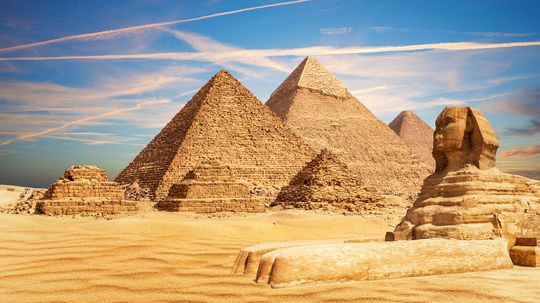
Why did ancient Egypt fall? Settle in for the story of how one of the longest-lasting civilizations in the ancient world slowly lost power.
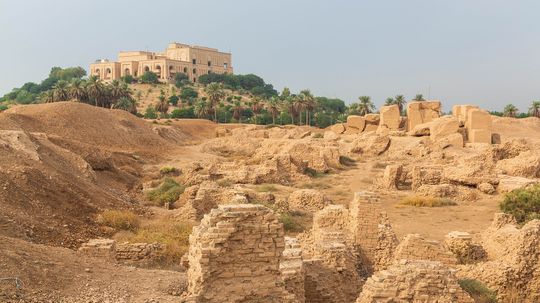
Babylon was once the jewel of the ancient world, a mighty city nestled along the Euphrates River, renowned for its towering ziggurats and legendary Hanging Gardens. But why did Babylon fall?
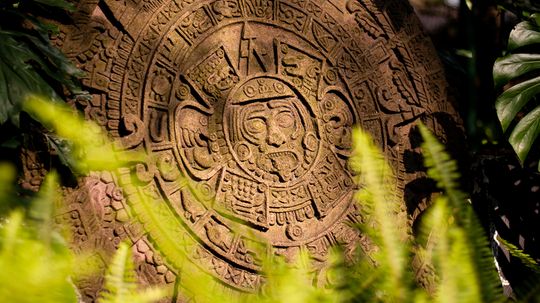
In the early 1500s, the Aztecs ruled a sprawling empire across central Mexico. Their capital city, Tenochtitlán, was the largest city in the Americas at the time.
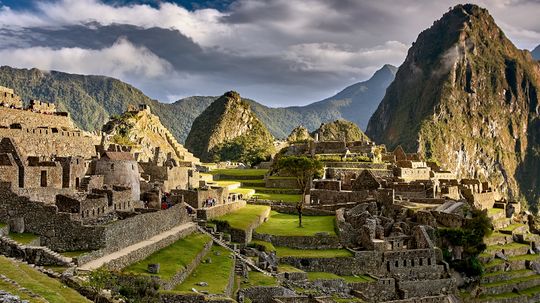
Why did the Inca empire fall? How could a mighty empire collapsed in just a few decades?
Advertisement
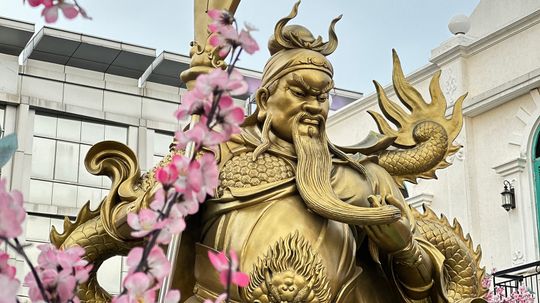
Why did the Han dynasty fall? How did one of the most durable early Chinese empires unravel from the inside? There's not a singular answer.
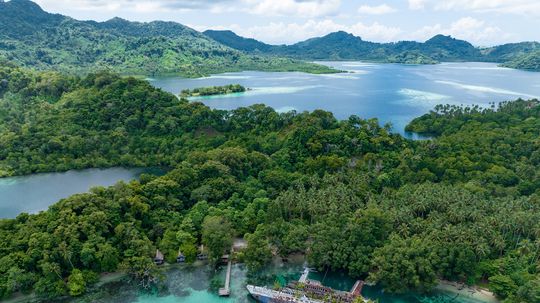
When most people dream of travel, they think of popular tourist destinations packed with iconic landmarks and crowded attractions. But the least-visited countries in the world offer something different: raw natural beauty, rich culture, and a chance to explore without the tourist crowds.
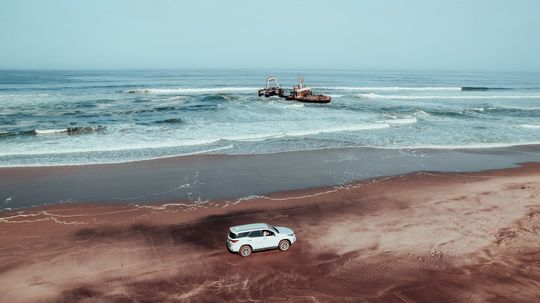
When people ask, what is the most dangerous place in the world, the answer depends on whether you're talking about war zones, harsh environments or crime-ridden cities.
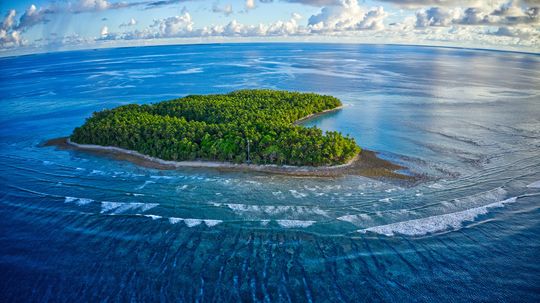
Most people can rattle off the names of big tourist hotspots. But ask them about the least known countries, and you’ll probably get a blank stare. (And rightfully so: That's a pretty weird question to ask.)
Advertisement
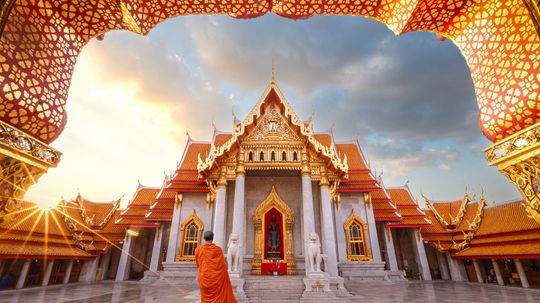
Bangkok holds the Guinness World Record for the longest place name in the world. To be more specific, the title goes to Bangkok’s ceremonial name, not its everyday moniker.
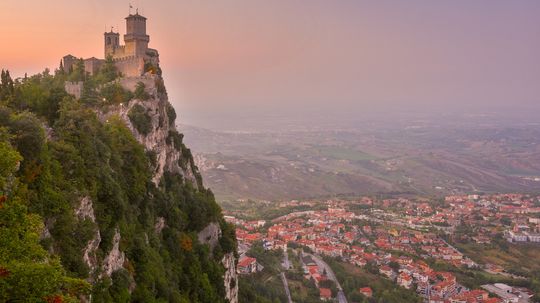
Not every country is bursting at the seams. While the world’s population continues to climb, some nations remain remarkably small in terms of people.
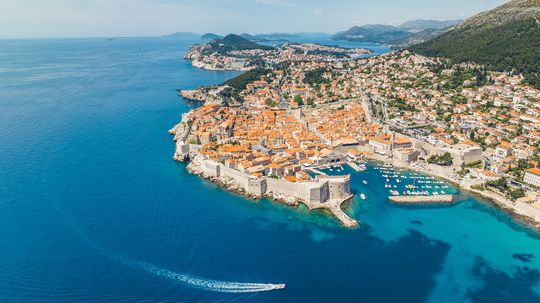
Over the last few decades, the world has seen a wave of new nations emerging from civil war, political reform, and the breakup of larger unions.
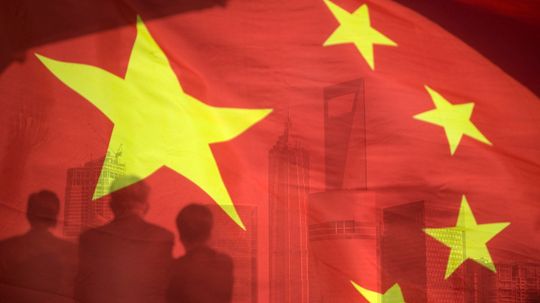
Communism is a complicated, loaded word. While the strict definition is subject to lots of debate, there is broad agreement on the states call themselves communist today.
By Zach Taras
Advertisement
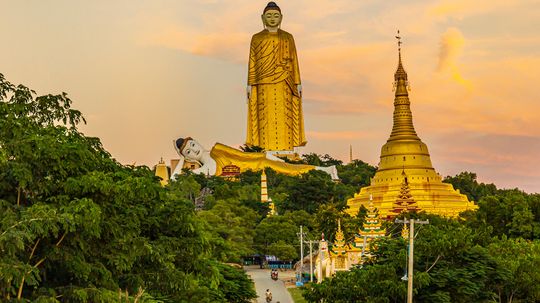
Monumental statues have been a hallmark of human ambition for centuries, standing tall as symbols of culture, religion and identity. The tallest statue in the world is no exception — and neither are any of its competitors.
By Mack Hayden
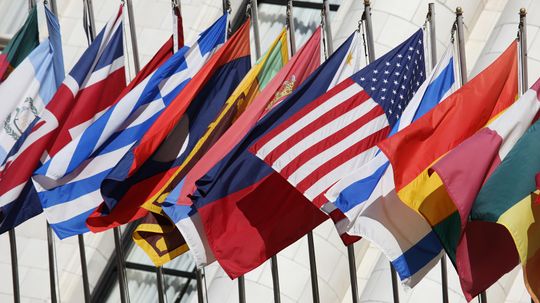
The world's most powerful countries shape global affairs with economic strength, military power, tech, and cultural influence, driving international policy.

If you live in the United States, you're probably used to the idea of ethnic diversity — which is considered to be one the defining features of the country — but how does the U.S. stack up against other countries in the world in terms of diversity?
By Zach Taras
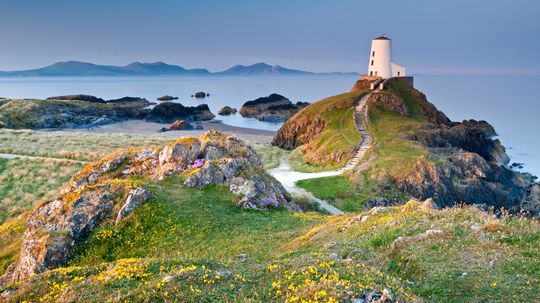
Ever wondered how many countries start with "W"? Well, spoiler alert: You won't need many fingers to count them.
By Mack Hayden
Advertisement
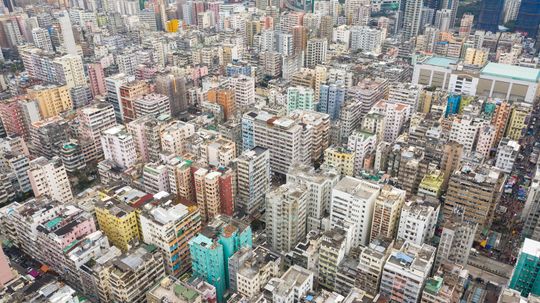
Statistically, over half of the people reading this article live in a city, with a higher population density than rural or suburban areas. For instance, New York City has nearly 27,000 people crammed into each square mile (2.6 square km) of land.
By Talon Homer
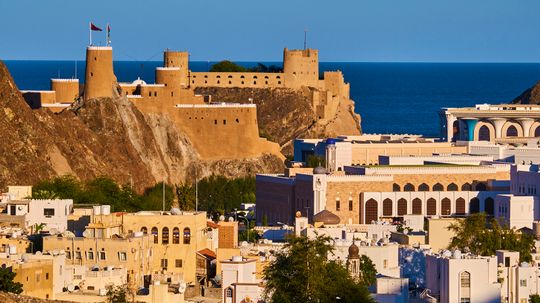
Former countries that start with "O" include Orange Free State and Oldenburg but these states have since dissolved. There is now one remaining holdout between Asia and Africa: the Sultanate of Oman.
By Mitch Ryan