Why Did the Aztec Empire Fall? How Indigenous Allies Helped the Spanish

By: Lena Thaywick  | 
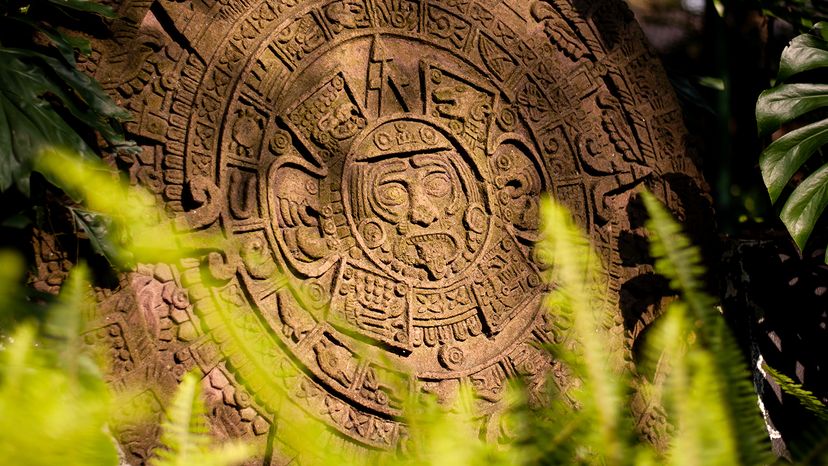
Modern historians point to the combination of local dissent, advanced Spanish weaponry, and deadly disease as reasons for Aztec demise. Marisol Rios Campuzano / Shutterstock

In the early 1500s, the Aztecs ruled a sprawling empire across central Mexico. Their capital city, Tenochtitlán, was the largest city in the Americas at the time.

So, why did the Aztec Empire fall so quickly after European contact? The answer is a tangled mix of war, disease, and shifting alliances.

Advertisement

Hernán Cortés and the Spanish Expedition

In 1519, Hernán Cortés led a Spanish expedition from Cuba to the coast of present-day Mexico, founding Vera Cruz as a foothold.

Though Cortés was technically under orders from Diego Velázquez, the governor of Cuba, he broke from command and pushed inland. Cortés received help from local natives who opposed Aztec rule, giving him thousands of Indigenous allies.

Advertisement

Indigenous Allies and Strategic Warfare

Many Indigenous peoples resented the Aztec Empire's demands for tribute and human sacrifice. Cortés needed this local support, especially in battles against the fierce Aztec warriors.

With their help, he fought his way to the Aztec capital and met with the emperor Moctezuma.

Advertisement

Cortés was allowed to enter Tenochtitlán with minimal resistance. Some say the Aztecs believed he was a returning god, but there's no evidence that they believed this.

La Noche Triste and Spanish Resurgence

Things turned violent quickly. In 1520, while Cortés was away, Spanish soldiers under Pedro de Alvarado killed many Aztec nobles during a festival, sparking an uprising.

The Spanish tried to flee the city in what became known as La Noche Triste or "The Sad Night." Many Spaniards and their allies died.

Advertisement

But the Spanish regrouped, rebuilt their forces and returned with more Indigenous allies.

Disease and Technological Advantages

Even more devastating than Spanish weaponry and metal armor was the outbreak of smallpox. This Old World disease ravaged the Aztec population, killing large numbers, including the emperor.

With so many dead or weakened, Aztec defenses collapsed. European diseases spread faster than the Spanish themselves, doing massive damage before battles even began.

Advertisement

The Fall of the Capital

After a brutal siege lasting about 75 days, the Aztec capital fell in August 1521. The city was razed and rebuilt as Mexico City, the capital of New Spain.

With the fall of Tenochtitlán, Aztec rule ended, and the Spanish began a new chapter in world history. Modern historians point to the combination of internal dissent, superior Spanish tactics and weaponry, and deadly disease as the reasons the once-mighty empire crumbled.

Advertisement

We created this article in conjunction with AI technology, then made sure it was fact-checked and edited by a HowStuffWorks editor.

Advertisement

Loading...