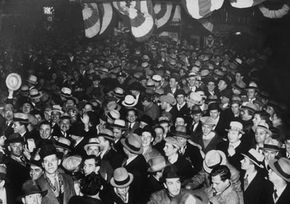
Beer. Wine. Liquor. Hooch. Moonshine. Whatever kind of alcohol you prefer (or don't, for that matter), you can't argue that it has a pretty strong grip on American society. The alcohol industry spends more than $2 billion a year on advertising — bombarding TV watchers with racy commercials, splashing beer logos around stadiums and sponsoring NASCAR race cars. It's hard to believe that less than a century ago, a country that now so clearly embraces alcohol tried its best to completely abolish it.
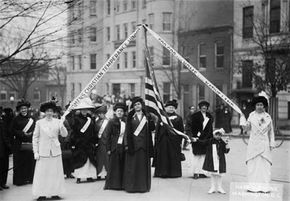
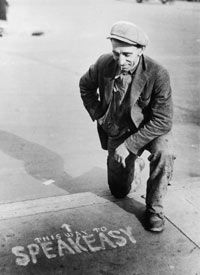
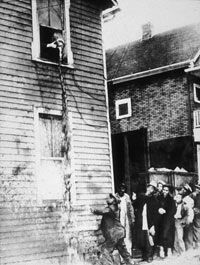
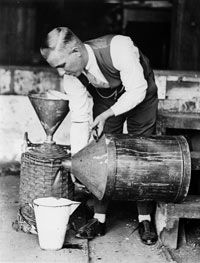
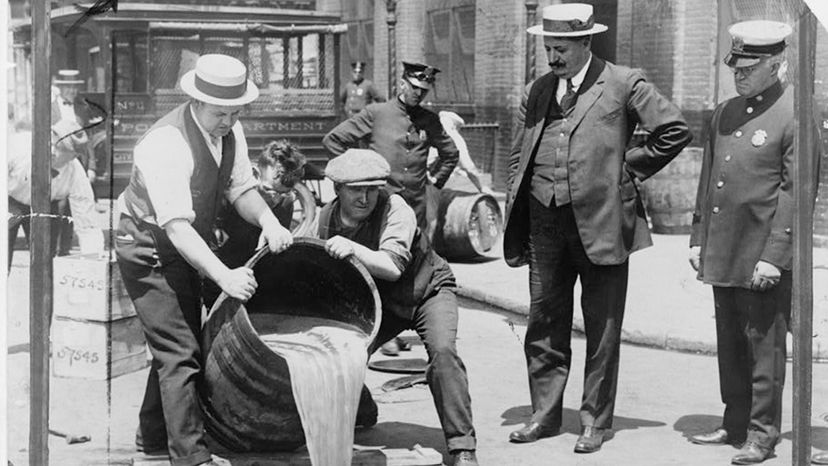
From 1920 to 1933, the 18th Amendment to the United States Constitution forbade the sale, manufacture and importation of alcohol (interestingly, the actual act of drinking it was not illegal). This 13-year period was called Prohibition. Support for the legislation had been gaining ground for decades through the anti-alcohol efforts of the temperance movement, which finally achieved its goal of a nationwide ban.
Advertisement
The United States was a very different place when Prohibition was enacted. World War I was just coming to a close, and women and minorities still lacked the right to vote. So why did so many people spend so much time and effort trying to get rid of alcohol? In this article, you'll learn why and how Prohibition was enacted. You'll also find out how it affected the economy, organized crime and corruption — and how it was eventually reversed, much to the relief of future fraternity boys everywhere.