Famous Figures of Prohibition
Dr. Benjamin Rush: Well-respected physician who was one of the first people to document opinions on the ill effects of gin, whiskey and other distilled liquors. He was a staunch advocate of “personal cleanliness.”
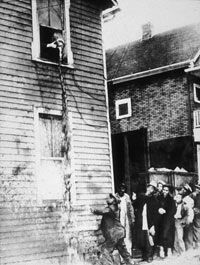
Carrie Nation: Nation, a leader of the Women’s Christian Temperance Union, was known for praying on the doorsteps of saloons, often brandishing a hatchet to scare off would-be drinkers. Her passion was fueled by a short-lived marriage to an alcoholic. She was arrested at least 30 times between 1900 and 1910 for destroying saloons with her pro-temperance cohorts.
Fatty Arbuckle: In 1921, this famous screen actor was accused of raping an intoxicated aspiring actress who later died of peritonitis from a ruptured bladder. The theory was that he had raped her with a piece of glass or a bottle. Several trials later, Arbuckle was acquitted, but his career was largely ruined. More than a decade later, he broke back into the industry but soon died of a heart attack.
After Prohibition
After Prohibition was repealed, it was left up to the states to decide how to govern alcohol consumption. Most states made 21 the legal drinking age, although a handful required drinkers to be only 18. No national drinking age existed until 1984, when the National Minimum Drinking Age Act was passed. One major catalyst behind the creation of this law was the increase in deaths related to drunk driving.
The 1980s and '90s saw a major movement to decrease drunk driving -- Candy Lightner founded Mothers Against Drunk Driving (MADD) after a drunk driver fatally hit her daughter in 1980. Since then, alcohol-related driving fatalities have decreased substantially. In 1982, 60 percent of automobile-related fatalities involved alcohol. By 2005, that number had dropped to 39 percent [source: Alcohol Alert].
Despite the national repeal on Prohibition, hundreds of counties in the United States enforce "dry" laws. These laws typically ban the manufacture and sale but not consumption.
- Nearly half of Mississippi's counties are dry. In fact, it's even against the law to drive through a dry county in the state with alcohol in the car, even if you're transporting it to a personal residence.
- Kentucky isn't much better for alcohol lovers. Thirty counties are wet and 55 are bone-dry. The other 35 are considered "moist" -- they have some regulations but not complete prohibition.
- Alabama, Arkansas, Texas, Kansas and Virginia also have a large proportion of dry counties.
- Hundreds of dry towns (within wet counties) also exist across the country. In fact, 129 of them are in Alaska.
Many, many other rules exist regulating the sale and consumption of alcohol on a local level. They often seem confusing and contradictory. One other once-common rule restricts the sale of alcohol on Sundays. This law was developed in Colonial times to honor the Christian Sabbath day in Colonial times.
For more information about Prohibition, take a look at the links on the next page.