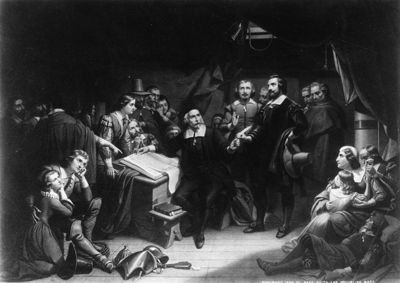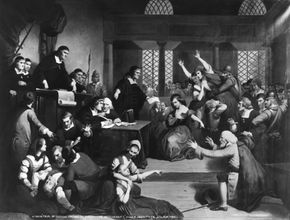
Salem Village in late winter of 1692 was a grey, bleak place. Between the immense forests inland and the vast, featureless sea, it felt like the world was closing in on the Puritan colonists who inhabited the area. Two tribes of Native Americans warred nearby. Smallpox had recently made its way through the population of about 500 people. "It was easy to believe in 1692 in Salem … that the devil was close at hand," writes historian Douglas Linder. "Sudden and violent death occupied minds."
The social structure, too, was under strain. Three new generations had been born into the village since the original colonists had arrived, each seemingly further from the staid, pious adherence to Biblical code that had driven the Puritans from Europe and into the American wilderness. Their original plans for a new Eden appeared to be going astray.
Advertisement
In February 1692 the devil, who lurked within every shadow of Salem in the Puritans' imaginations, showed himself. The villagers lashed out violently and wildly against him.
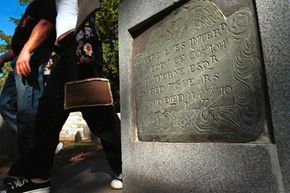
Nine months later, 37 people would be dead as a result of the witchcraft trials. They were killed at the hands of their fellow villagers -- people they had grown up with, worked with and known intimately. People who had turned on them.
Colonists in the New World had been tried elsewhere for witchcraft, it wasn't necessarily rare. But never had any group so fully committed itself to what seemed like madness.
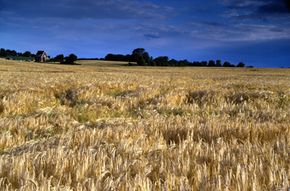
This is not to say that the Salem villagers were clinically insane in the winter of 1692. It's impossible to make such a judgment, but historians have searched for answers to this event since it happened. In 1976, one historian suggested that perhaps a naturally occurring hallucinogen lay at the heart of one of the darkest moments in America's history.
On the next page, we'll learn about Linda Caporael's theory about the influence of drugs on the Salem witch trials.
Advertisement