What comes to mind when you hear the word "corporation?" Maybe a giant, faceless conglomerate? Ruthless captains of industry? Perhaps you think of corporate scandals like Enron and WorldCom. In fact, the unscrupulous plundering done by some modern-day corporations pales in comparison to the activities carried out by one of the world's first corporations: the British East India Company (EIC).
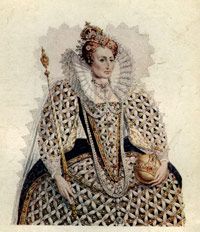
The concept of corporations was first established under ancient Roman law [source: University of Virginia]. But it wasn't until England emerged from the Middle Ages that it created what we recognize as the modern corporate structure. It all began on Dec. 31, 1600, when Queen Elizabeth I granted a charter to the British East India Corporation, naming the corporation "The Governor and Company of Merchants of London, trading with the East Indies." The corporation conducted business in the East Indies (land that we now consider India and the Middle East) at the behest of the queen.
Advertisement
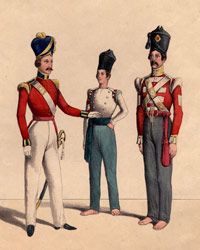
The East India Company established a few major precedents for modern corporations. But it also shaped the world in countless other ways. With both the financial and military support of the Crown, the EIC served as an instrument of imperialism for England. The company had its own private army and raised soldiers in the areas it subjugated. Its expansionism spurred several wars that produced at least two sovereign nations. Among its many claims to fame (and notoriety), the EIC indirectly built Yale University, helped create two nations and was the world's largest drug-dealing operation in the 18th century.
The company was ruthless in its quest for profits. Parliament even called the EIC tyrannical. However, without the EIC, England may have never developed into the nation it is today.
Read on the next page how this giant global corporation was created.
Advertisement