
North American History
From the southern tip of Florida to the Alaskan wilderness, explore North American history in-depth in the North American history section.
Learn More
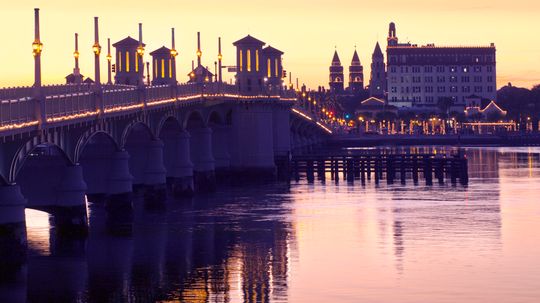
Embarking on a journey through the United States' historical landscape to learn about the oldest city in America uncovers a rich mosaic of stories that trace back to a time before even the British arrived and settled on the land.

The last time you poured yourself a bowl of Kellogg's Corn Flakes, you may not have been aware of the complicated history behind this iconic breakfast cereal.
By Marie Look
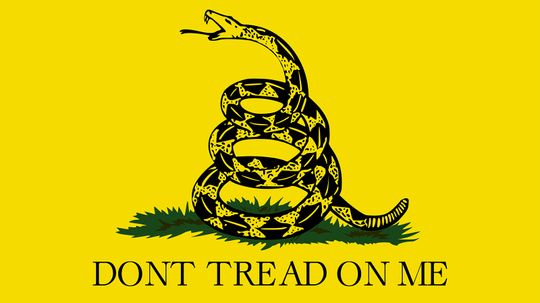
The "Don't Tread on Me" flag, showing a rattlesnake on a yellow background, has its roots in America's Revolutionary War but has become a right-wing symbol in the 21st century. What does it really mean?
By Dave Roos
Advertisement
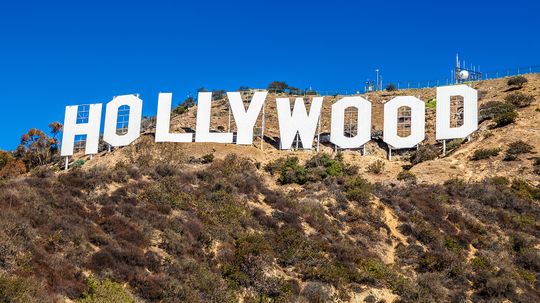
There is no more iconic sign in the world than the huge HoIlywood sign that stands in Griffith Park, beckoning the hopeful with dreams of stardom.
By Kate Morgan
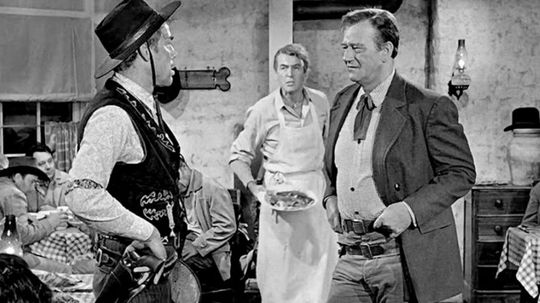
The American West was chock full of wild and crazy characters, and not just those portrayed on the big screen. Meet some of the most memorable ones.
By Sarah Gleim
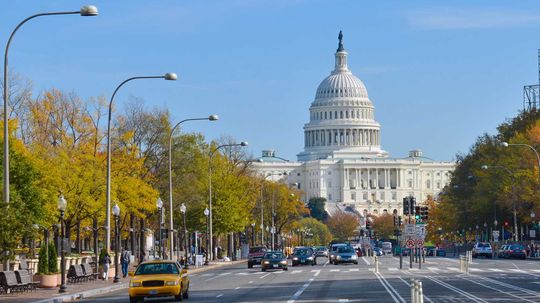
Washington, D.C. is the seat of America's federal government. But what state is Washington, D.C. in?
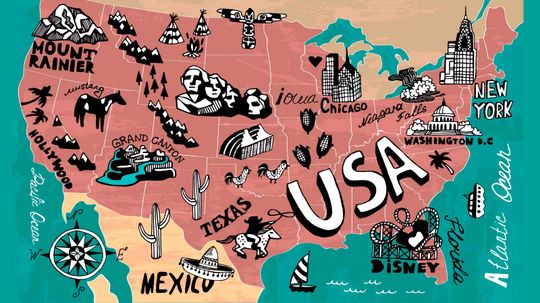
The U.S. comprises states, territories and commonwealths. So how many states are in the U.S.A.?
Advertisement
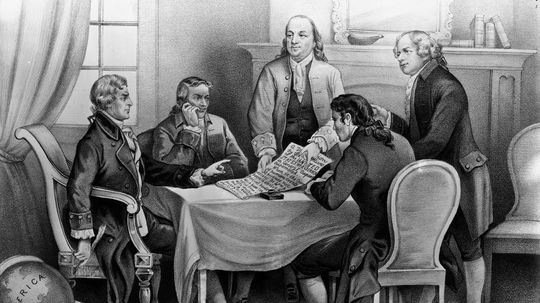
Without the Great Compromise, the U.S. might not have become a nation. The political divisions between big and small states could have been too much to overcome. The final formation of Congress was a stroke of genius.
By Dave Roos
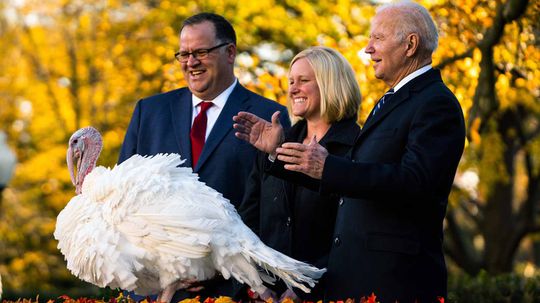
Every year the U.S. president pardons a turkey and Americans eat it up. Not the bird, but the ceremony. How did this priceless tradition even start?
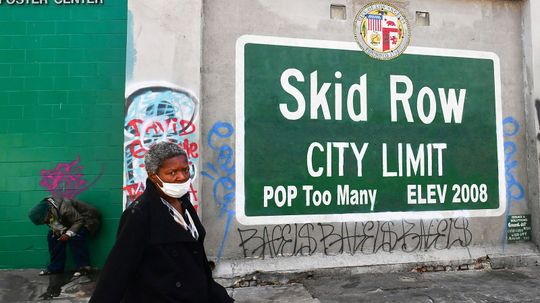
In the 20th century, there were dozens of Skid Rows across America, but today only one has been at the same location for over a century: Skid Row, Los Angeles. Why has it lasted for so long?
By Dave Roos

When singer, rapper and classically trained flutist Lizzo played a glass flute once owned by President James Madison, we stopped to wonder what else might be hiding in the Library of Congress.
Advertisement
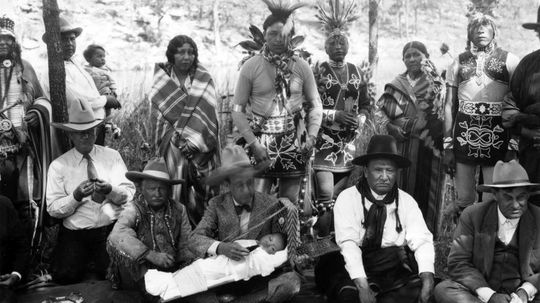
Members of the Osage Tribe were some of the richest people on Earth around 1920. Then they started dying, mysteriously. Who was killing them and what did oil have to do with it?
By Dave Roos
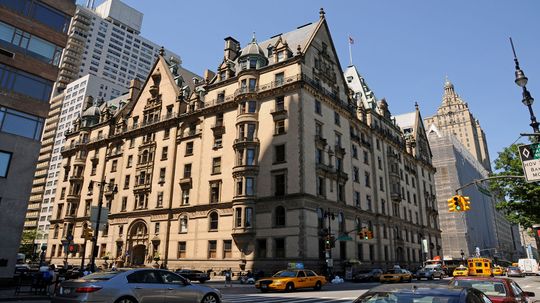
The Dakota is most famous as the apartment where former Beatle John Lennon lived and died, but it also played a key role in the evolution of New York City during the Gilded Age.

The newly reopened America's Black Holocaust Museum traces more than 400 years of Black American history, from the era before enslavement to the present.
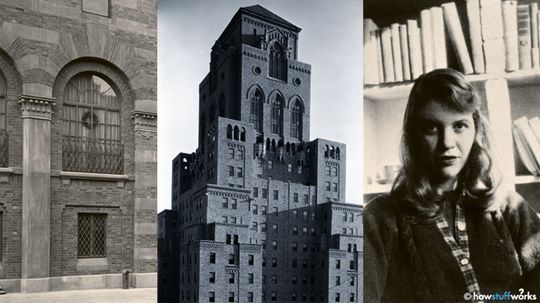
The Barbizon Hotel was a glamorous, women-only residential hotel in New York that catered to up-and-coming stars. And though most women wanted to live there, only a few made the grade.
Advertisement
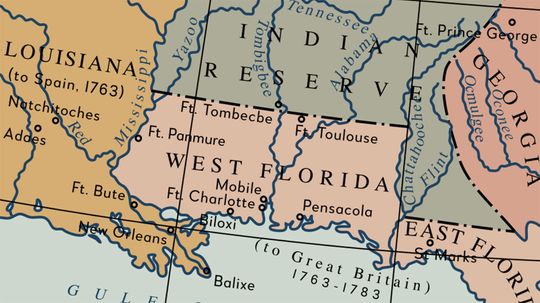
Many states (or territories) that are now part of the U.S.A. were once independent, even if not recognized as such by other countries. We'll look at some of them.
By Alia Hoyt
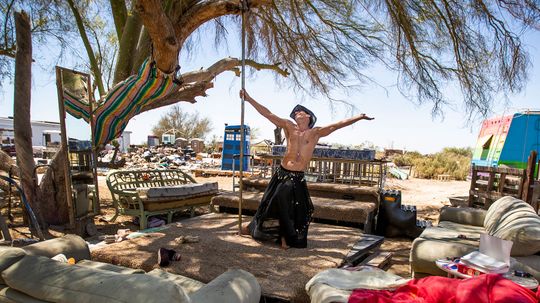
Some call it an artists colony, others a squatters' paradise. Either way, it attracts lots of visitors, billing itself as the last free place in America. So, what's it really like?
By Dave Roos
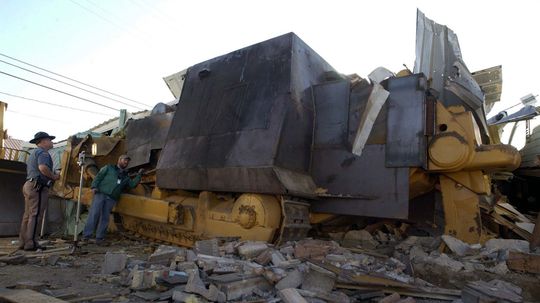
The 2004 incident in Granby, Colorado, left half the town destroyed. Now 17 years later, Marvin Heemeyer, the man who piloted the tank that crushed the library and town hall, has become a hero to antigovernment extremists.
By John Donovan
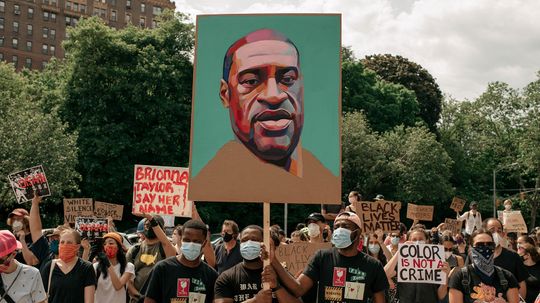
The phrase "systemic racism" has become very widespread in the U.S. in the past year or so, but what does it really mean?
By Dave Roos
Advertisement
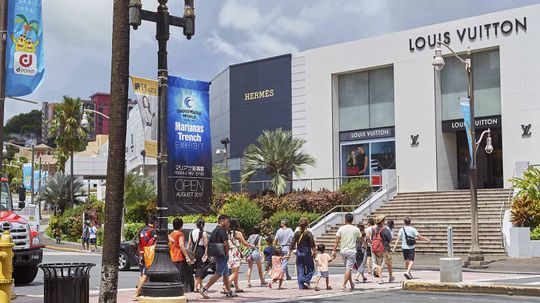
The United States still has five permanently populated territories. The 3.5 million residents are denied many of the same rights as mainland U.S. citizens. They want this to change.
By John Donovan
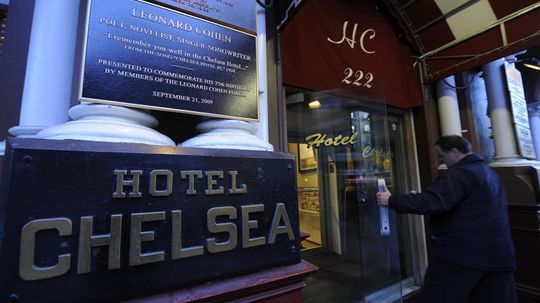
Since it was built in 1885, New York's famous Hotel Chelsea has been home to countless artists, writers, poets and creatives and its history is the stuff of legend.
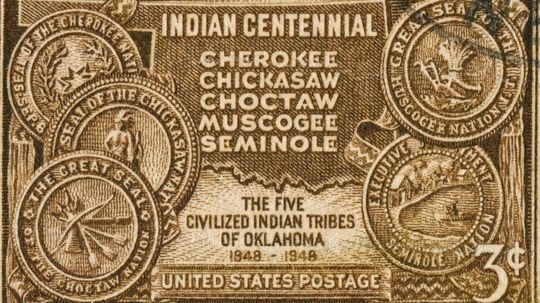
In the 19th century, five Native American nations were given this title by the U.S. government because they adopted some of the practices of European Americans. Who were these tribes and what happened to them?
By Dave Roos
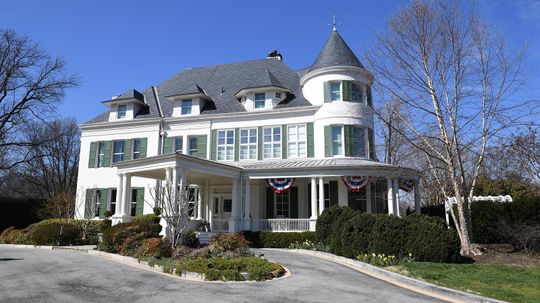
Since the mid-1970s, vice presidents have had use of a mansion on the grounds of the U.S. Naval Observatory, a short distance from the White House.
Advertisement
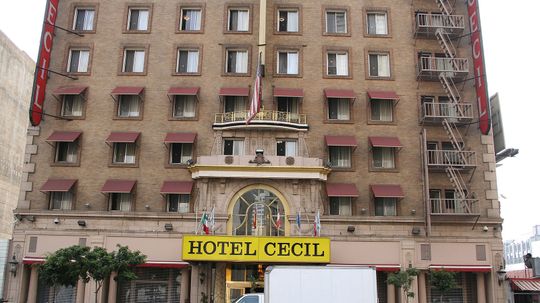
Perhaps best known as the last home of Elisa Lam before her mysterious death, the Cecil Hotel has a sordid past full of murders and mayhem. Care to step inside?
Surfboards, huarache sandals and endless sunshine? Yes. But throw in some Conquistadors, a trashy Spanish novel, Black Amazons, mythological creatures and, of course, Charlemagne and — voilà — the name "California" is born.