
World History
HowStuffWorks looks at the history and culture of places from all over the world.
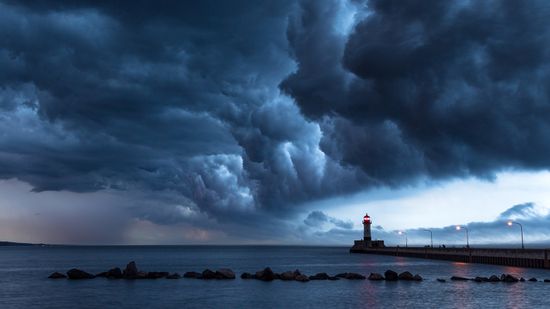
The SS Edmund Fitzgerald and a Fateful Night on Lake Superior
OceanGate: What Went Wrong and Why
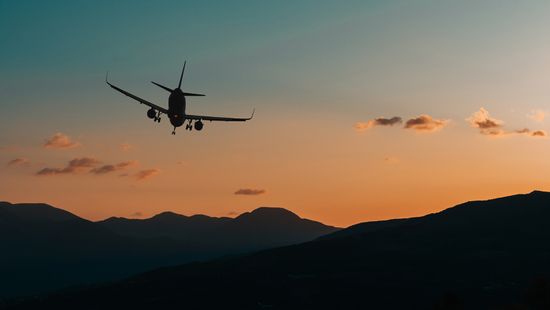
What Happened to MH370, the Missing Malaysia Airlines Flight?
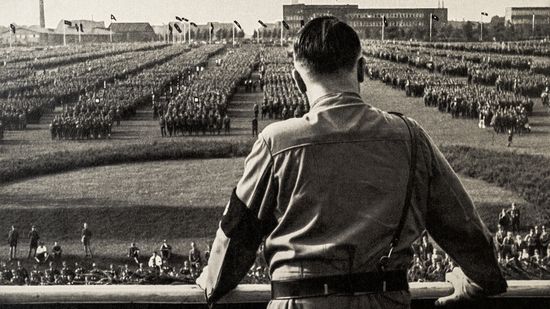
10 of the Worst People in History: A Leadership Hall of Infamy
The Most Powerful People in the World Aren't Always the Richest
The Youngest Vice President in U.S. History (and 5 Close Contenders)
The Madden Curse Debate: NFL Legends Weigh In on the Phenomenon
Most Haunted Places in the World: True Encounters and Tales

Is Santeria Considered Witchcraft? A Deep Dive into the Tradition
Why Did the USSR Fall? The Real Costs of Becoming a Superpower

Why Did the Berlin Wall Fall?

Why Did the Roman Empire Fall? Corruption, Inflation, and Division
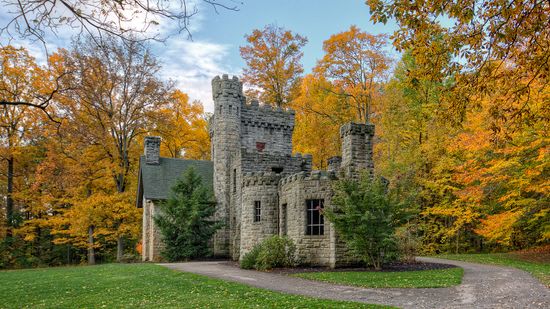
There Are Castles in Ohio? No Foolin'?

10 Least Diverse States in the U.S.

10 Most Haunted Places in America: Stanley Hotel, Queen Mary, and More
Hiroshima Shadows Preserve One of History's Darkest Moments
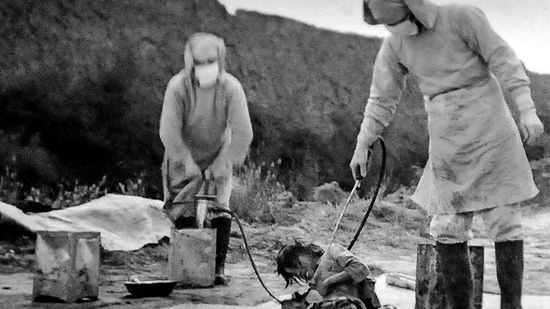
Unit 731: Inhumane Medical Experimentation During WWII
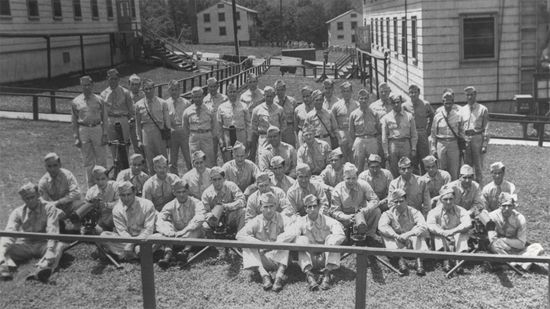
How the Ritchie Boys, Secret Refugee Infiltrators, Took on the Nazis
Learn More / Page 3
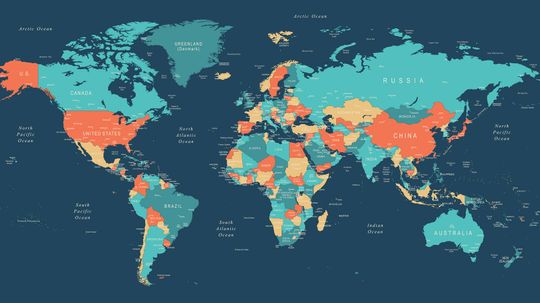
Seven might seem like the no-brainer answer if you grew up in the U.S. But it may surprise you to know that experts around the world disagree on how many continents are out there. Here's why.
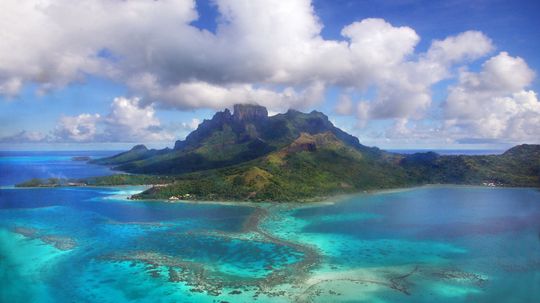
Fourteen countries and 39 million square miles make up Oceania in the South Pacific. Known for its natural beauty and cannibalistic past, this region also invented bungee jumping.
Nearly any discussion around the Israeli-Palestinian conflict will include the word Zionism. But what does it even mean, and how has Zionism changed over the course of history?
By Dave Roos
Advertisement
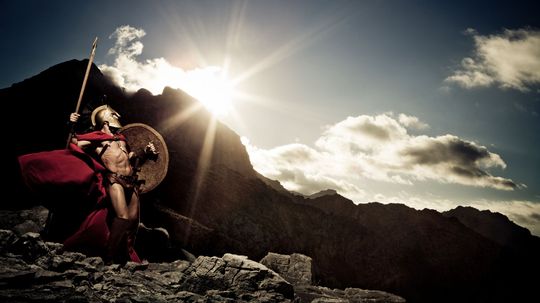
Movies like '300' have popularized the image of ancient Spartans as brutal super-warriors. But that's only part of the story: They had a softer side, too, for dancing and crafts. And their women had an unusual amount of freedom.
By Dave Roos

The KGB, the Soviet Union's vast secret police and espionage apparatus, technically was dismantled decades ago. But it still actually exists under a new name.
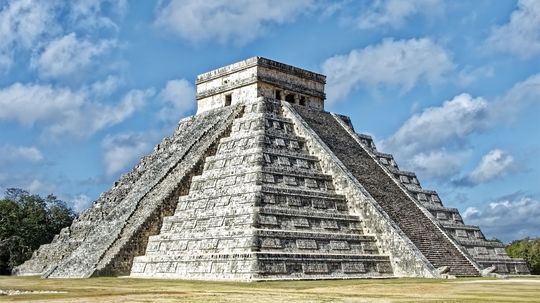
The archaeological site Chichén Itzá is one of Mexico's most popular tourist draws. Here are some things you may not know about this amazing Mayan wonder.
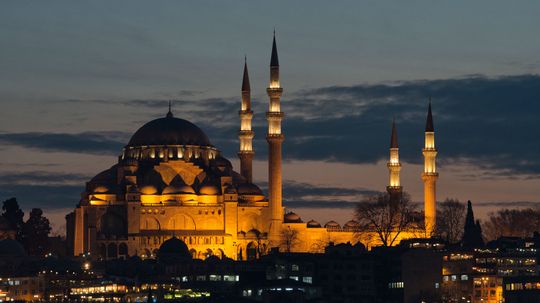
For 600 years, the Ottoman Empire covered a territory stretching across huge swaths of Europe and the Middle East, until it all came down after World War I. What hastened its demise?
By Dave Roos
Advertisement
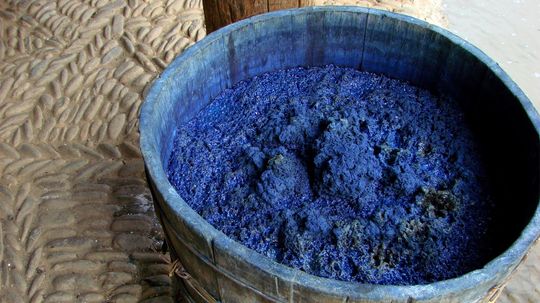
Slavery followed indigo, a cash crop from which blue dye was made, around the world, until it was replaced by synthetic substitutes in the early 20th century.
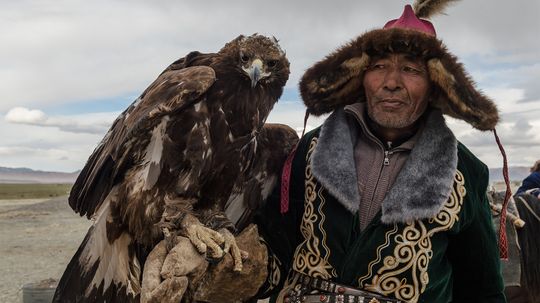
Mongolia is a country struggling to maintain its nomadic ways while stepping boldly into the modern 21st century world.
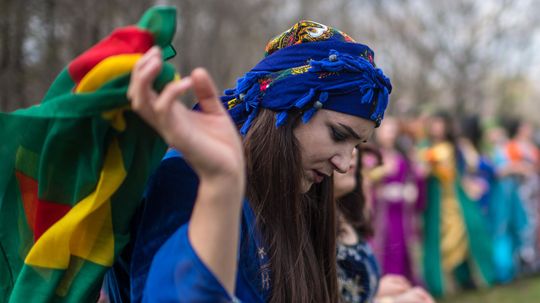
Millions of people around the world have no country they can call their own. Sometimes they're not allowed to have a birth certificate, go to school or work. What are some of the biggest groups in this category?
By Dave Roos
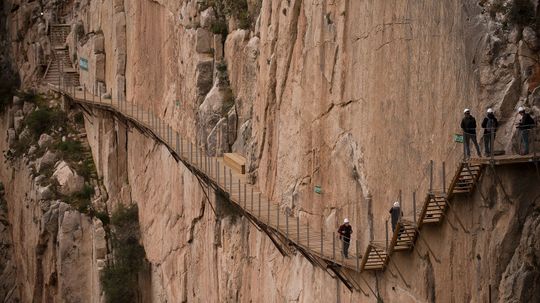
Our writer shares her experience of hiking Spain's el Caminito del Rey, once considered the world's most dangerous path. It was closed for 15 years after five people died on it and reopened in 2015 as a new, improved attraction.
Advertisement
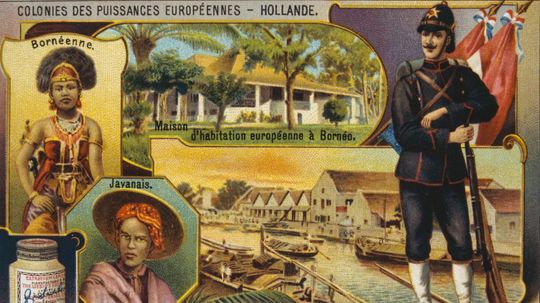
Before World War II, a third of the world's population lived a territory controlled by a colonial power. How did this start and how did it end?
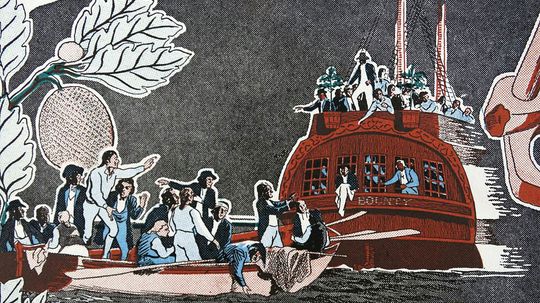
You may know the story of how Fletcher Christian and his men mutinied aboard the ship the Bounty. But what was the voyage all about in the first place?
By Dave Roos
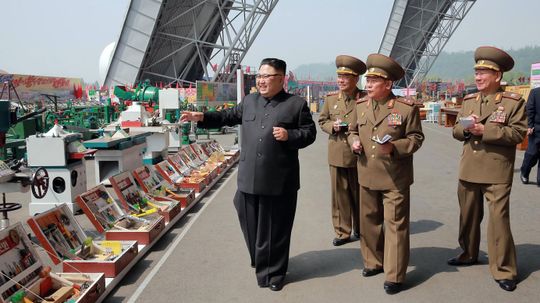
Often described as "The Hermit Kingdom," North Korea is a source of mystery for those living in the West. How has it survived so long and how worried should Americans be about a nuclear attack?
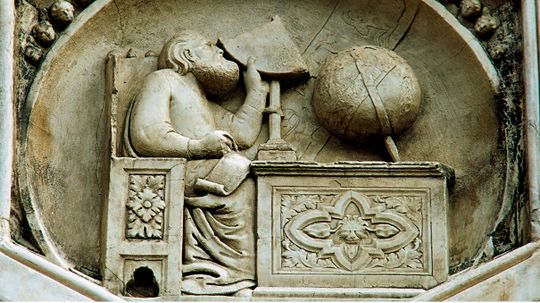
Can a solar eclipse change the world as we know it? If the past is any indication, it might.
Advertisement
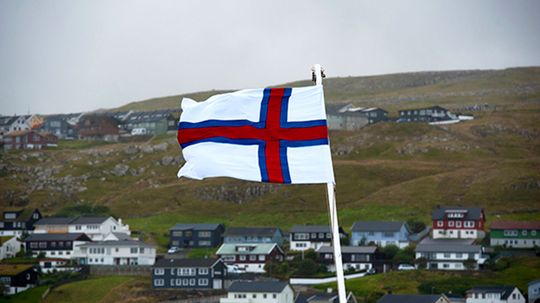
It takes more than frustration with the government and endless optimism to make your new country's independence stick.
By Oisin Curran
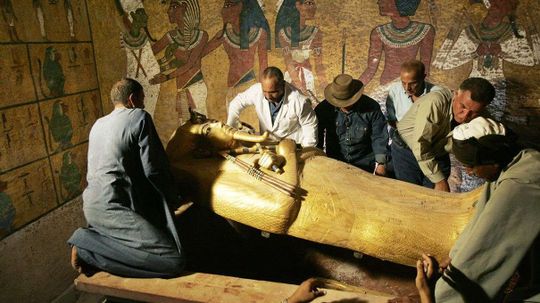
Controversies surround not just the possible existence of hidden chambers, but even the ability of Egyptologists to undertake the search for them.
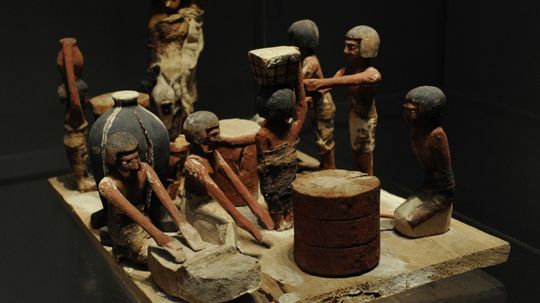
Beer may be one of the most humble of alcoholic beverages, but its history is no less noble -- or muddled -- than wine or liquor.
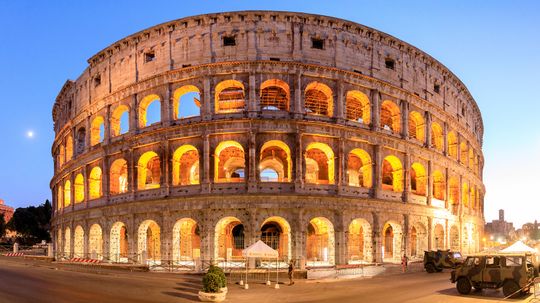
Empires rise and empires fall - it's a seemingly unavoidable fact of life on Earth. But these superpowers reigned longer than any others. What can we learn from their missteps and achievements?
Advertisement
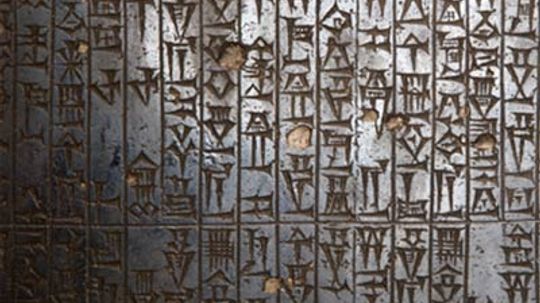
The Code of Hammurabi is a 7-foot-tall piece of basalt with more than 300 laws engraved on it. According to the code, if you strike your father, then your hands will be cut off. Why would our modern society care about studying such inhumane mandates?
By Jane McGrath
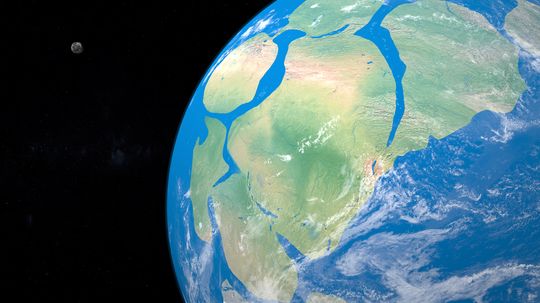
Like the members of an ill-fated rock group, the seven continents struck out on their own hundreds of millions of years ago. But what caused the breakup? And is a reunion tour in the works?
By Molly Edmonds & Talon Homer
The East India Company didn't just cause the Boston Tea Party -- it forged new nations and established drug trade. So why is it the basis for modern corporations?
By Josh Clark