20th Century

In 1917 Denmark sold the Danish West Indies to the United States and in 1918 Iceland was recognized as an independent state under the Danish king. Although Denmark had been neutral during World War I, it regained the northern portion of Schleswig from Germany in 1920 as a result of a plebiscite called for by the peace settlement. During the 1920's and 1930's, Denmark greatly expanded its social welfare programs and, through taxation, redistributed the wealth.

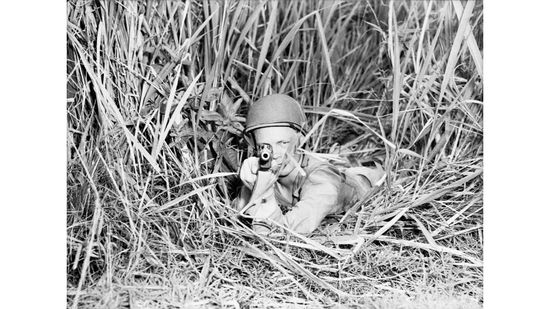
During World War II Denmark suffered bitterly from occupation by Germany. United States troops occupied Greenland and Iceland to prevent their seizure by Germany. In 1944 Iceland severed ties with the Danish monarchy and became an independent republic. The Faeroe Islands were granted internal self-government in 1948. In 1949 Denmark joined the North Atlantic Treaty Organization. In 1953 Greenland's status was changed from that of a colony to that of an integral part of the kingdom.

Because of its economy's dependence on foreign trade, Denmark has traditionally supported the lowering of trade barriers between nations. In 1959 it joined the European Free Trade Association. In 1973 it became a member of the larger and more powerful European Community (what is now the European Union).

During the 1970's Denmark experienced a period of instability with the country being ruled by a succession of weak governments. In 1979 Greenland was granted autonomy. In 1982 Poul Schluter became the first Conservative prime minister in more than 80 years. In a referendum in 1992, Danish voters rejected the Maastricht treaties, which called for greater economic and political unity among members of the European Community. However, they approved the treaties in 1993 after the community allowed Denmark to be exempt from certain of their provisions.

In 2000, Danish citizens voted against adopting the euro as Denmark's currency. A number of Danes believed that closer ties to the European Union would weaken the country's economy and its national identity.

Control of Denmark's government was turned over from the Social Democratic Party to the Liberal Party after parliamentary elections in 2001. The policies of the Liberal Party and its allies tend to be more conservative than the Social Democratic Party. The Liberals retained control of the government after winning elections in 2005.