
Historical Figures
From Musketeers to Nazis, Archimedes to Harriet Tubman, these famous historical figures changed the course of history -- for better or worse.
The SS Edmund Fitzgerald and a Fateful Night on Lake Superior

OceanGate: What Went Wrong and Why

What Happened to MH370, the Missing Malaysia Airlines Flight?

The Madden Curse Debate: NFL Legends Weigh In on the Phenomenon

Most Haunted Places in the World: True Encounters and Tales

Is Santeria Considered Witchcraft? A Deep Dive into the Tradition

Why Did the Berlin Wall Fall?

Why Did the Roman Empire Fall? Corruption, Inflation, and Division
9 Castles in Europe Worthy of Their Icon Status

There Are Castles in Ohio? No Foolin'?

10 Least Diverse States in the U.S.

10 Most Haunted Places in America: Stanley Hotel, Queen Mary, and More
Why Did the Han Dynasty Fall? Warlords and Puppet Emperors

6 Least-visited Countries in the World

What Is the Most Dangerous Place in the World? 11 Risky Contenders

Hiroshima Shadows Preserve One of History's Darkest Moments
Unit 731: Inhumane Medical Experimentation During WWII
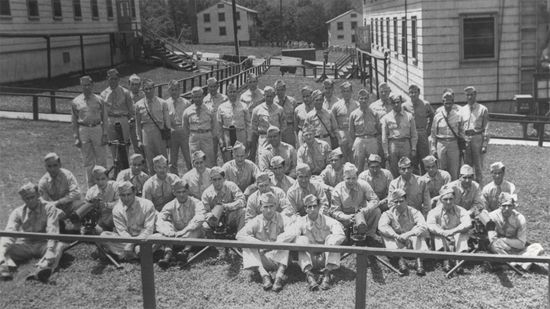
How the Ritchie Boys, Secret Refugee Infiltrators, Took on the Nazis
Learn More

Power. Influence. Control. These aren't just buzzwords; they shape how the world runs. If you want to understand how decisions ripple across the globe, you need to look at the most powerful people in the world.
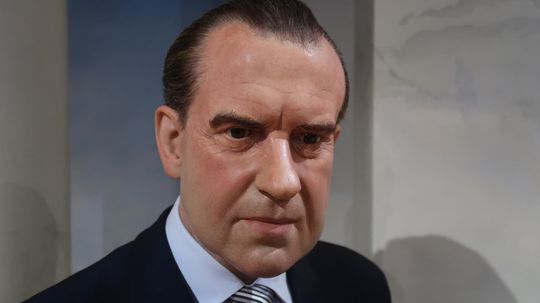
Some people climb the political ladder slowly while others rocket to the top. In American history, the youngest vice president ever took office before turning 37. That’s not just early; it’s historic.

When we think about royalty, we often imagine gilded thrones and ornate drawing rooms. But according to German troops in World War II, Catherine the Great's furniture went way beyond your average aristocratic flair.
Advertisement

In the world of mountain climbing, few stories are as harrowing or as inspiring as that of Beck Weathers.
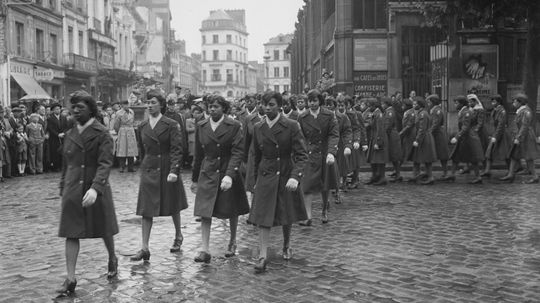
During World War II, an extraordinary group of women broke barriers, defied expectations, and changed history. Known as the Six Triple Eight, this all-Black, all-female battalion of the Women's Army Corps served overseas in Europe, sorting millions of pieces of backlogged mail and boosting the morale of American troops far from home.
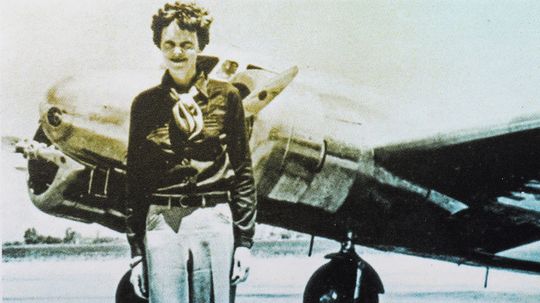
Amelia Earhart set numerous records before vanishing in 1937 during an attempt to circumnavigate the globe. Her disappearance remains one of the greatest unsolved mysteries of aviation, sparking decades of research and speculation about what really happened to her and her navigator, Fred Noonan.
By Talon Homer

A pro wrestling family patriarch, Fritz Von Erich (real name: Jack Adkisson), and his wife, Doris, married young in 1950. A few years later, they welcomed their first son, Jack Jr., quickly followed by brothers Kevin, David, Kerry and Mike.
By Mitch Ryan
Advertisement

Oppenheimer's legacy is as complex as the quantum mechanics and theoretical physics that dominated his mind and shaped his life.
By Mitch Ryan

The pirate life wasn't all about buried treasure and parrots on shoulders — they also ruled the waves, looted merchant ships and struck fear into entire nations. During the Golden Age of piracy, few pirates could escape the watchful eyes of the Royal Navy or the bounty-hungry pirate hunters, but some managed to build lasting legends.
By Yara Simón

The story of Abby and Brittany Hensel, the world's most famous conjoined twins, has captivated audiences for decades.
By Zach Taras

The endless curiosity of Marshall Brain helped educate, inform and inspire countless students, entrepreneurs and web surfers for decades before Brain's death on November 20, 2024.
By Peter Crooks
Advertisement
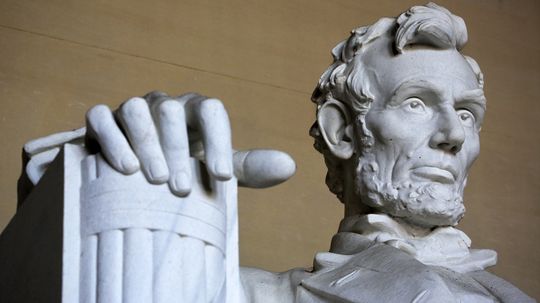
You don't have to be a prime minister, civil war general, Nobel Peace Prize laureate or founding father to learn the strengths of famous leaders and better your own life. You can learn a lot from the greatest leaders in history — including what to do and what not to do — and prepare for your time to lead others.
By Mitch Ryan

Jon Brower Minnoch is the heaviest person ever in medical history, weighing up to 1,400 pounds (635 kg) at one point.
By Marie Look

Jayne Mansfield was a superstar when she was alive, but today she is perhaps most famous for her tragic death at the age of 34. Get the facts behind the Jayne Mansfield death and her lasting impact.
By Sascha Bos
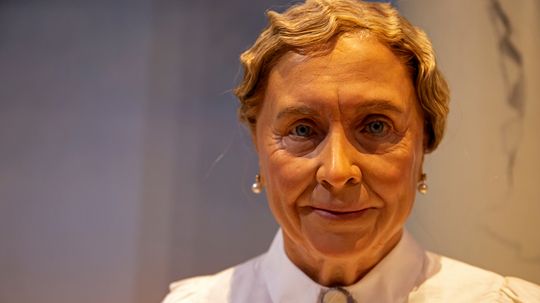
Helen Keller accomplished a lot in her lifetime. Despite becoming deaf-blind at 18 months of age, she authored multiple books, engaged in outspoken activism and gave lectures around the world. But did Helen Keller fly a plane?
By Sascha Bos
Advertisement
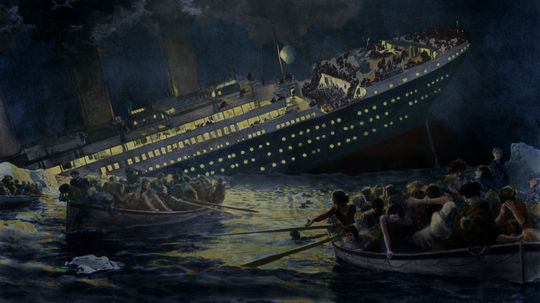
The sinking of the RMS Titanic is one of the most famous tragedies in maritime history, with some stories of the Titanic survivors having reached legendary status.
By Marie Look

On Christmas Eve in 1971, a young woman's life changed forever when she found herself plummeting through the sky in the midst of a thunderstorm. That woman was Juliane Koepcke, the sole survivor of a tragic plane crash in the Peruvian rainforest.
By Marie Look

Wisconsin is known for its cheese, beer and ... terrifying serial killers? It turns out some of the most notorious serial killers in the United States hail from America's Dairyland.
By Sascha Bos

The life story of George Jung reads like a high-stakes thriller, tracing the meteoric rise and dramatic fall of one of the most infamous drug smugglers in the history of the United States. Born into a modest family, Jung's early exposure to the world of narcotics set the stage for what would become a legendary career in the drug trade.
Advertisement

Before she was the tallest woman in the world, she was the world's tallest teenager. In 2021, Guinness World Records named Rumeysa Gelgi, who is 7 ft and 0.7 in (215.16 cm) in height, the tallest woman living.
By Yara Simón

Coretta Scott King and numerous other women who stood with Martin Luther King Jr. were committed activists in their own right during the Civil Rights Movement.
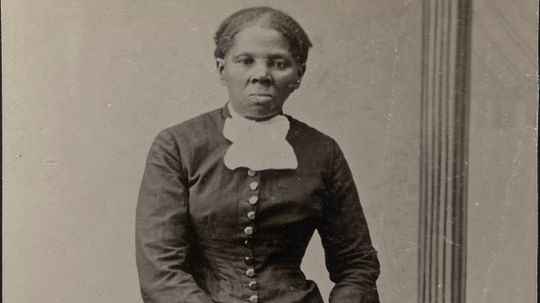
History has taught us that Harriet Tubman was a conductor for slaves on the Underground Railroad to freedom. But she had a second career as a Union spy and was also a champion for the elderly.
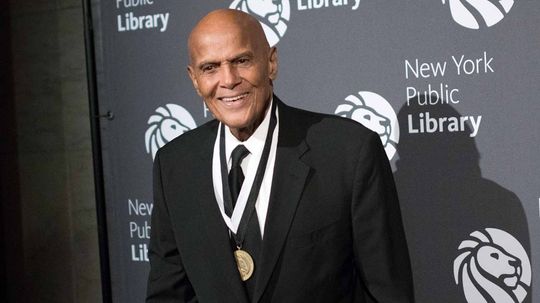
Harry Belafonte died today at age 96. A shining star in his own right, Belafonte was a key supporter of Martin Luther King Jr., the civil rights movement and other humanitarian missions.
Advertisement
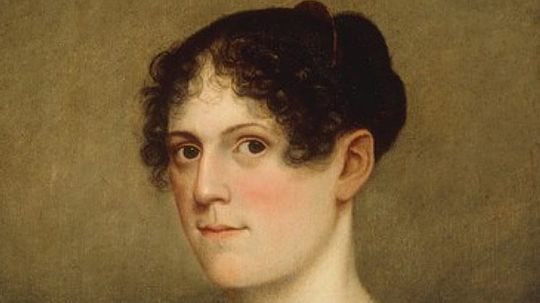
In 1812, she boarded a ship bound for New York, but never arrived. What happened to the daughter of Aaron Burr, the man who killed Alexander Hamilton?
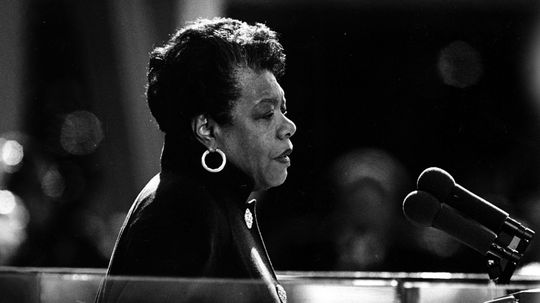
One of the most quoted (and misquoted) African American women, Maya Angelou's words and works resound with people of all ages and stages in life. Here are five quotes that explain why.