
Historical Figures
From Musketeers to Nazis, Archimedes to Harriet Tubman, these famous historical figures changed the course of history -- for better or worse.
The SS Edmund Fitzgerald and a Fateful Night on Lake Superior

OceanGate: What Went Wrong and Why
What Happened to MH370, the Missing Malaysia Airlines Flight?
The Madden Curse Debate: NFL Legends Weigh In on the Phenomenon
Most Haunted Places in the World: True Encounters and Tales
Is Santeria Considered Witchcraft? A Deep Dive into the Tradition
How Many Countries Are in Europe? Surprisingly Not a Simple Answer
Why Did the USSR Fall? The Real Costs of Becoming a Superpower

Why Did the Berlin Wall Fall?
There Are Castles in Ohio? No Foolin'?

10 Least Diverse States in the U.S.
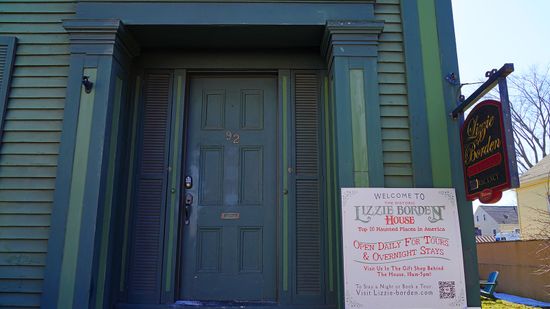
10 Most Haunted Places in America: Stanley Hotel, Queen Mary, and More
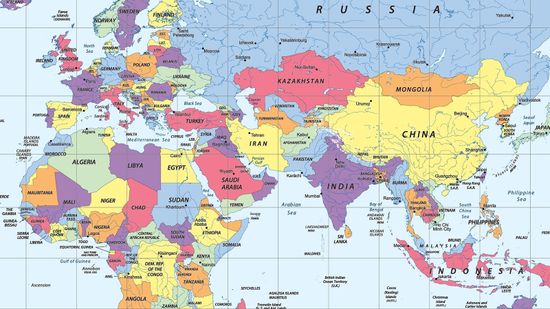
All 26 Countries That Start With S

The List of Countries That Start With Q Is Extremely Short
Who Is America's Greatest Ally? Asking for a Friend...
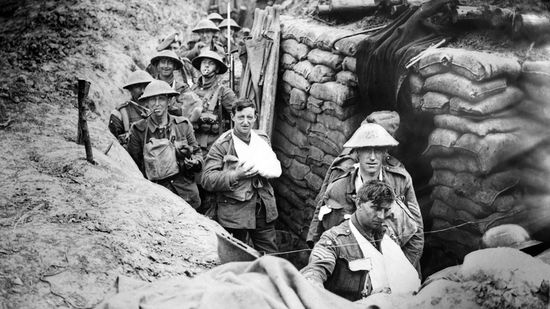
What Classifies a World War as, Well, a World War?

Hiroshima Shadows Preserve One of History's Darkest Moments
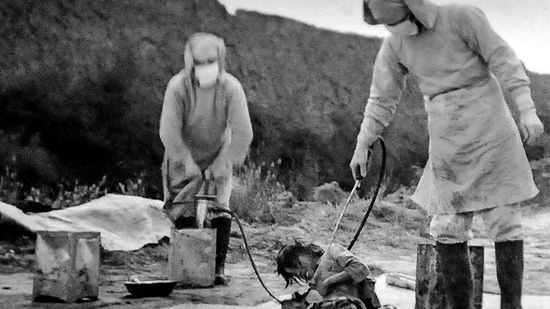
Unit 731: Inhumane Medical Experimentation During WWII
Learn More / Page 5
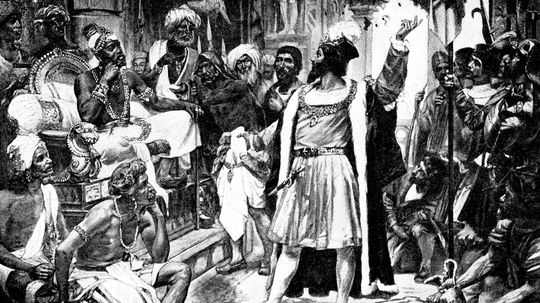
Portuguese explorer Vasco da Gama was a ruthless man determined to force his way into the lucrative spice routes of India. But without any valuable gifts to trade for the spices, the whole trip took a horrible turn.
By Dave Roos
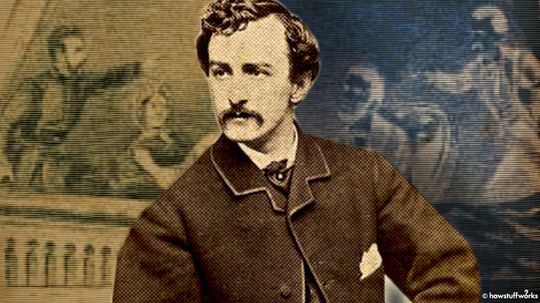
Lincoln assassin John Wilkes Booth takes the blame in the history books, but he was part of a larger cast of characters that hoped to decapitate the Union government after the South lost the Civil War.
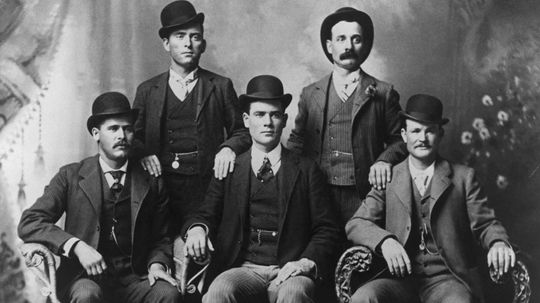
Butch Cassidy was a notorious train and bank robber who led a group of outlaws known as the Wild Bunch. He blazed his way through the Wild West, never killing a soul. Or did he?
By John Donovan
Advertisement
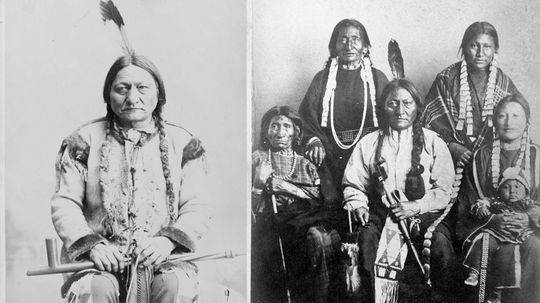
Sitting Bull is one of the most famous Native Americans in history. And he's way more than just the Lakota warrior he's known for.
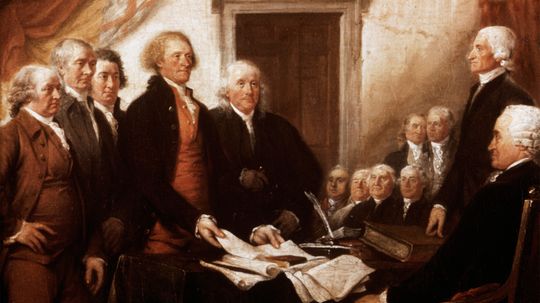
We see them in paintings of the day as a congregation of arthritic old men, drily deciding the terms of the new republic while complaining about their gout, when, in actuality, some of them were as young as 26.
By Katie Carman
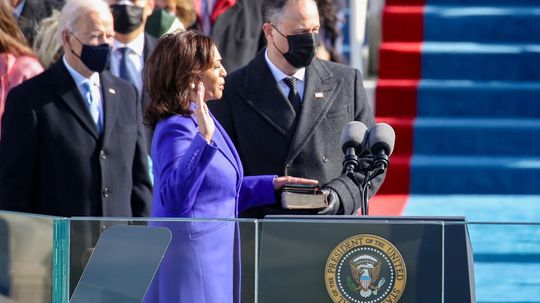
Kamala Harris is the first woman in U.S. history (and first Black woman and first Asian American woman) to become vice president. But she's used to being a groundbreaker.
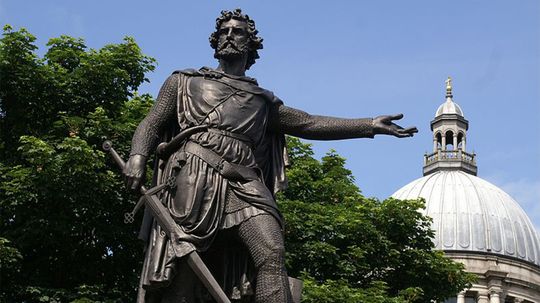
On this day 716 years ago, one of Scotland's greatest national heroes died in London at the hands of King Edward I of England.
Advertisement
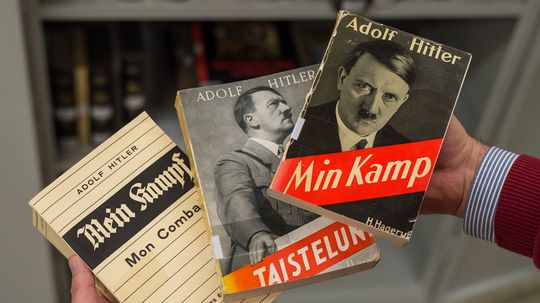
In 1925, Adolf Hitler published the first volume of a semi-autobiographical book that laid out his racist policies. It is still in print today. But should anyone read it? And what would they find inside?
By Dave Roos
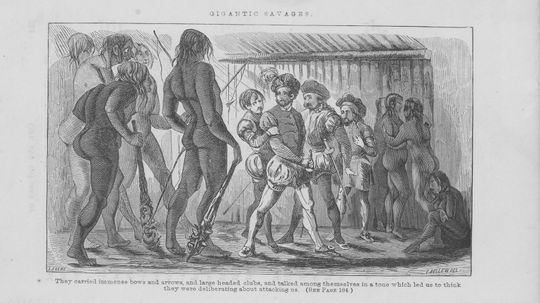
It pays to promote. That's how Amerigo Vespucci got a new continent named in his honor. That, along with a pamphlet full of sex and violence, and a little historical misunderstanding.
By Dave Roos
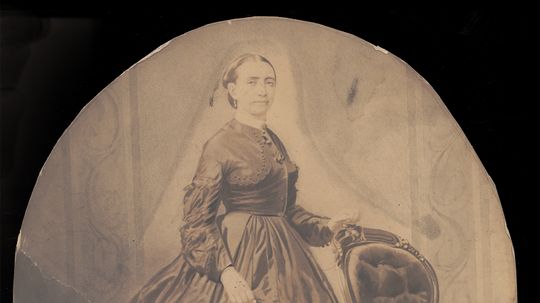
Kate Warne was bold enough to walk into the Pinkerton Agency in 1856 and step into her role as the first female detective in U.S. history.
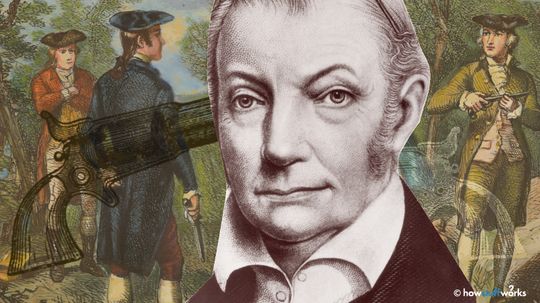
Aaron Burr is perhaps best known as the man who killed Alexander Hamilton in a duel, but he also served as an aide to George Washington, vice president to Thomas Jefferson and as U.S. senator from New York.
Advertisement
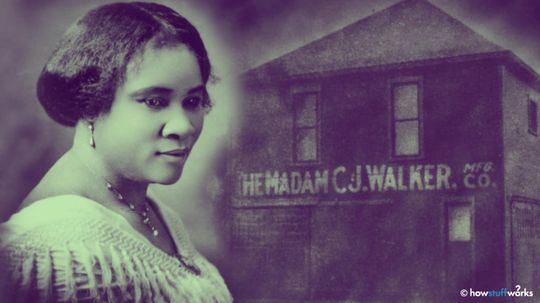
Madam C.J. Walker made her mark helping Black women feel pretty. And beauty products made her the first self-made female millionaire in the U.S.
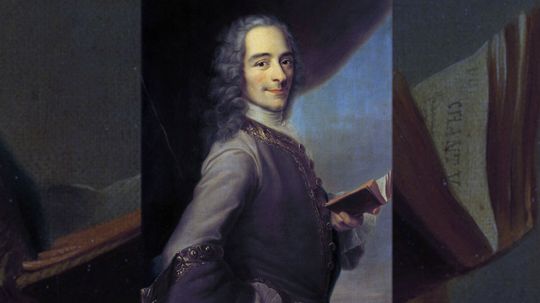
Before there was a Madonna, Bono or Beyoncé, the one-named Voltaire was Europe's first truly modern celebrity. And he didn't need the help of Twitter to keep his name in the public eye.
By Dave Roos
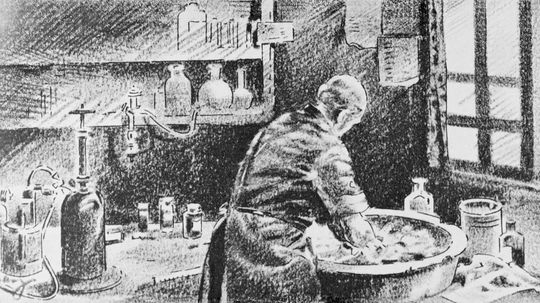
While Semmelweis wasn't the first doctor to advocate for hand-washing, he was certainly the most vocal proponent at the time. But his medical colleagues mostly ridiculed his belief.
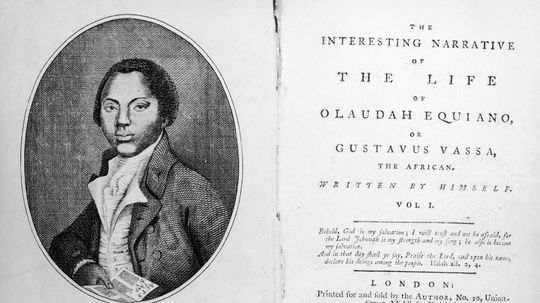
One was an enslaved man turned best-selling writer; another was a wealthy pottery maker whose company is well-known even today. Here are five amazing stories of abolitionists.
By Dave Roos
Advertisement
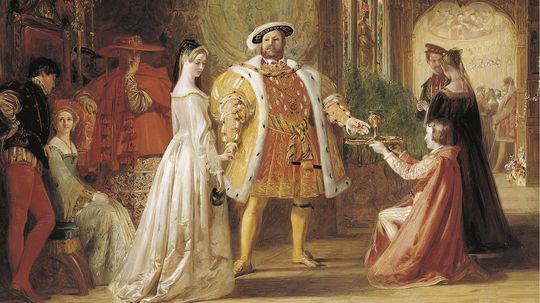
Anne Boleyn is too often known only for her brief tumultuous marriage to King Henry VIII and her subsequent beheading. But there was a lot more to her life than that.
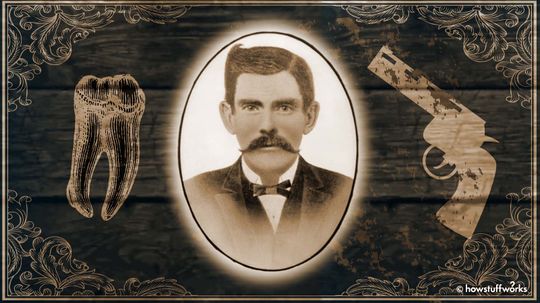
John Henry "Doc" Holliday was first and foremost a gambler and gunfighter. But he was also friend of Wyatt Earp and is best known for his role the Gunfight at the O.K. Corral.
By John Donovan
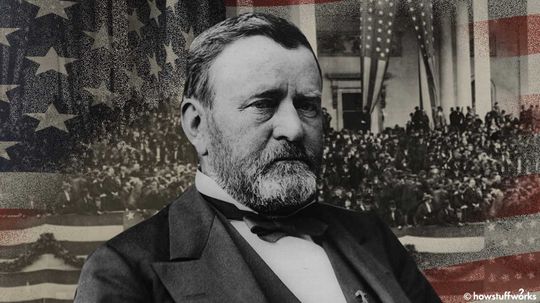
As the commanding general of the Union Army, he helped save the United States during the Civil War. Grant was clearly a successful military man, but how was he as the 18th U.S. president?
By John Donovan
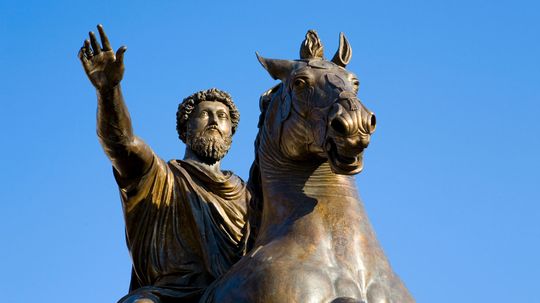
Roman emperor Marcus Aurelius is remembered today, not so much for his conquests and governance but for a short, profound book he wrote called 'Meditations.' We give you a peek inside this ancient wisdom.
By Dave Roos
Advertisement
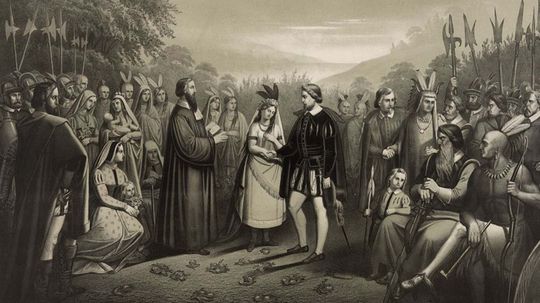
History and the movie studios have twisted the story of Pocahontas into one of a mythical woman who saved John Smith, willingly converted to Christianity and married an Englishman. The truth, however, isn't so rosy.
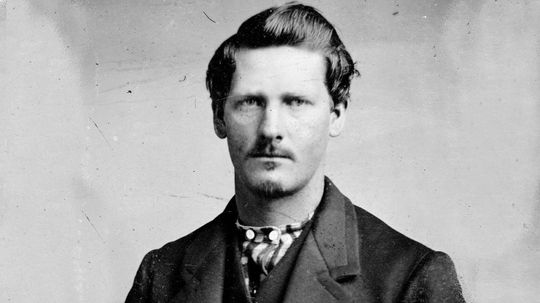
Wyatt Earp was a Wild West lawman, a member of the Dodge City Peace Commission and a deputy marshal in Tombstone, Arizona. What he wasn't was the quickest man on the draw.
By John Donovan
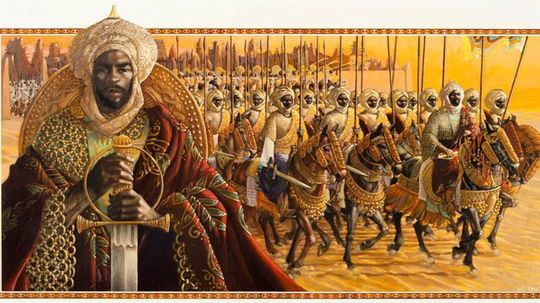
In the 1300s, Mali's Mansa Musa set out for Mecca with an entourage of 60,000 people bearing thousands of pounds of gold. So, where did all that gold come from? And what would that be worth today?
By Dave Roos
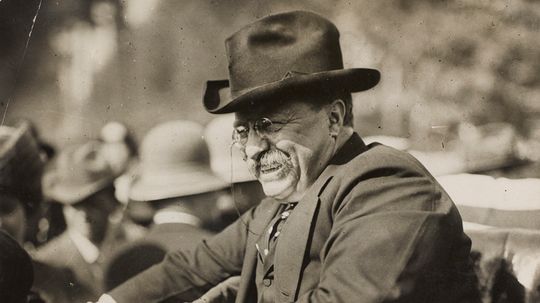
Among a long list of accomplishments, Teddy Roosevelt literally changed the American landscape, establishing the first wildlife refuge and the U.S. Forest Service, protecting the magnificent green spaces we cherish today.
Advertisement
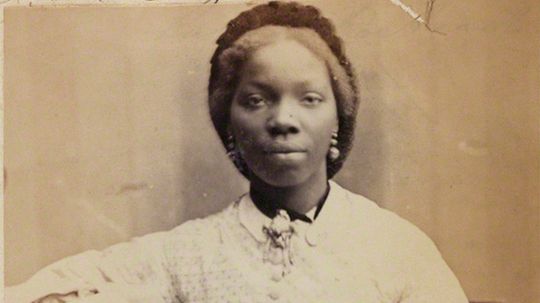
Though the story has become a bit mischaracterized over the years, Sarah Forbes Bonetta, a West African princess, was indeed liberated from slavery to become an intimate of Queen Victoria of England.
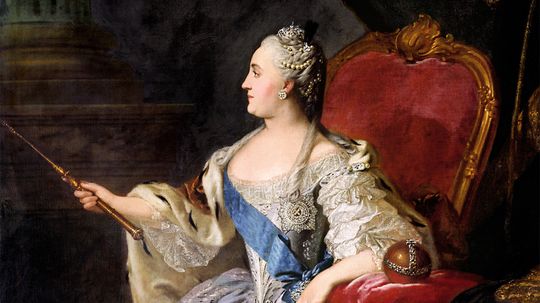
Her legacy has been reduced to strange tales of horses and sordid affairs, but the real story of Russia's longest reigning female leader is truly fascinating.